Civil protection and civil defense
Air-Raid Alarm: Home Evacuation
A VR simulation guiding users through safe and structured home evacuation during an air-raid alarm.
A set of civil defense VR lessons: air raid, nuclear attack, nuclear, radiological and chemical threats, and evacuating your home.
Air Raid Attack, Nuclear Explosion Attack, Nuclear, Radiological and Chemical Threats, Air-Raid Alarm: Home Evacuation
The Civil Defense VR Training has been developed to prepare participants for real wartime threats through immersive and realistic simulations. The program focuses on building awareness, decision-making skills, and practical survival abilities.
Our civil defense training applications were created on the basis of an official safety guide, allowing everyone to practice correct procedures in crisis situations and be ready to act.
This lesson presents a realistic air raid on a city and teaches users how to respond correctly to the threat. The participant learns to recognize the alarm signal, choose a proper shelter, and follow correct protective behavior, including taking a protective position. The application also shows how to identify the “all clear” signal and safely leave the shelter. Thanks to VR immersion, users can practice every step in a controlled, risk-free environment.
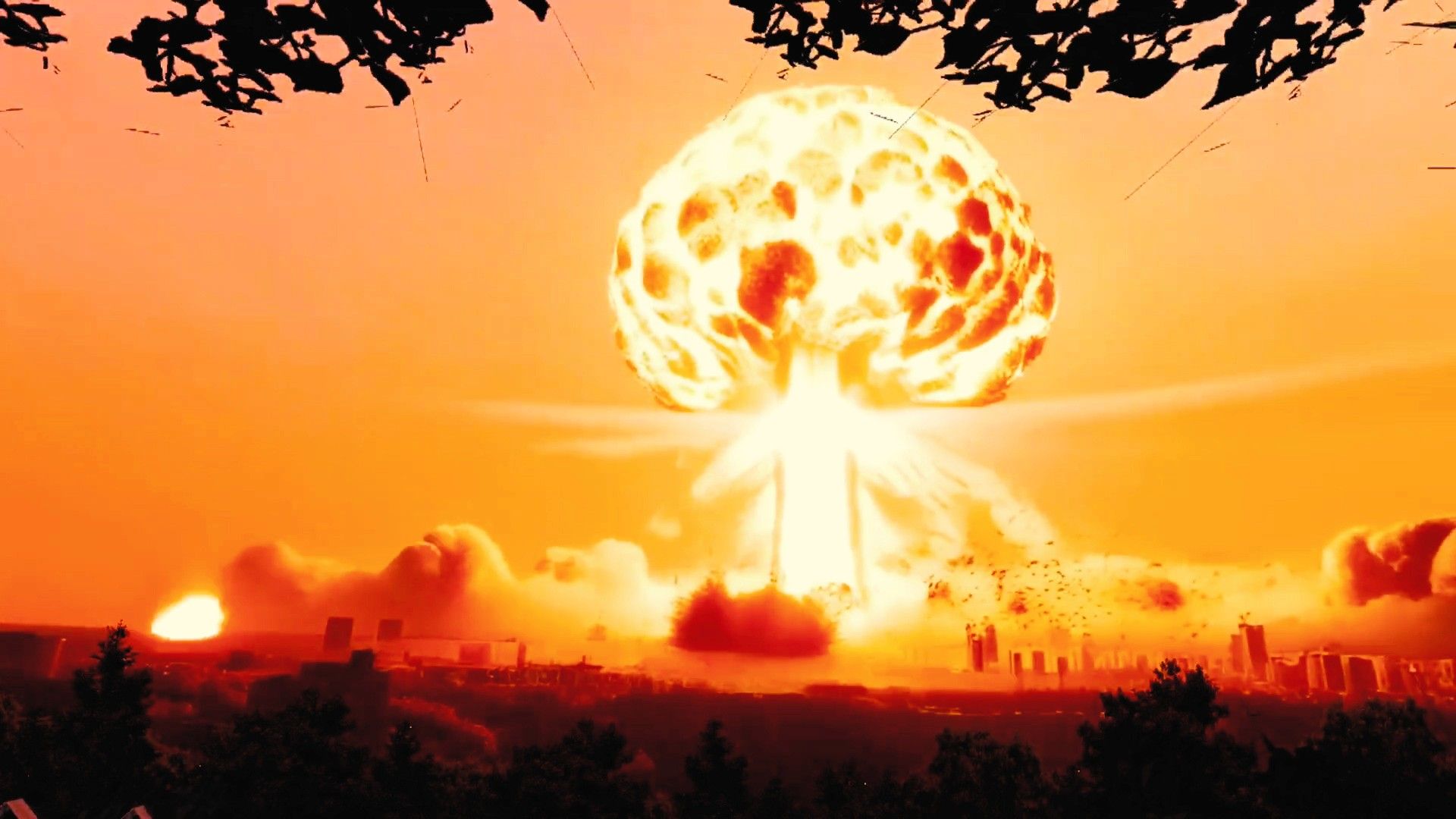
This lesson simulates the threat associated with a nuclear explosion. The participant learns to recognize the alarm, the flash, and the blast wave, and then identify the safest available shelter.
The scenario places the user in a realistic nuclear hazard situation requiring fast decisions and proper safety actions. It teaches how to avoid contamination and how to safely evacuate from the danger zone, while introducing the fundamental rules of crisis response. With VR immersion, the participant gains essential skills in an engaging and memorable way.
This application simulates a sudden air raid alert and guides the user through the process of safely evacuating from home. It teaches how to secure the building before leaving: closing windows, shutting off the water supply, turning off electrical and gas devices, and extinguishing all open flames.
It also reminds users to dress appropriately, prepare children together with their contact and medical information, and take the evacuation backpack. The scenario shows how to ensure that neighbors are aware of the alarm and how to assist people with special needs whenever possible. The realistic VR environment allows participants to practice each step safely and effectively.
A bug-out bag (evacuation backpack) contains the essential items one should take during a sudden evacuation. It should include basic equipment needed to survive the first hours or days outside the home: water, food, documents, hygiene supplies, a first aid kit, flashlight, power bank, and a change of clothes. In the application, the user learns why preparing the backpack in advance is crucial and how it can significantly increase safety in a real crisis.
In this lesson, the user enters an area where flood risk is rapidly increasing. The application demonstrates how to quickly prepare for a possible evacuation, ensure the safety of family members and neighbors, and secure the home against incoming water.
The participant learns how to protect property, move essential items to higher floors, secure electrical and gas systems, and prepare animals for evacuation. The simulation emphasizes the importance of responding to weather alerts and explains why staying in a hazard zone after an evacuation order is issued is extremely dangerous.
The lesson also introduces the emergency flag system (white, red and blue), which allows residents to signal their situation when leaving the house is impossible. Through immersive VR, the user experiences step-by-step flood preparation, increasing awareness of the risks and real skills needed to act.
This scenario places the user in a realistic contamination event where they must ensure their safety after leaving the hazardous area. The participant experiences the full decontamination process in practice: from securing clothing and belongings to cleaning the skin and preparing to enter an isolated building.
The application demonstrates correct behavior in radiological or hazardous contamination situations and teaches essential reactions that cannot be practiced in traditional training. Thanks to full VR immersion, the training becomes engaging, memorable, and greatly enhances user awareness.
Civil Defense VR Training builds mental resilience and readiness to act in emergencies where every second counts.
The training aims to prepare participants for effective civil defense in the face of a real threat of armed conflict. Using VR technology, participants will practice procedures for responding to alarms, protection against CBRN threats, avoiding drone dangers, and handling emergencies caused by damaged critical infrastructure. The program develops mental resilience, proper reflexes, and the ability to act under pressure.
This training is designed for:
Part I – Introduction (5 minutes)
Part II – VR Simulations (approx. 30 minutes)
Module 1: Air Raid – Procedures in a Danger Zone
Module 2: CBRN Contamination – Protection and Decontamination
Module 3: Combat Drones – Recognition and Avoidance
Module 4: Emergency Situations in Conflict Zones
Part III – Debriefing (10 minutes)
Total training time: approx. 45 minutes
Format: VR simulations with a trainer-led introduction and debriefing
Our training is designed in the form of short, intensive lessons lasting about 5 minutes. This modular structure makes it extremely flexible and effective in various environments:
A VR simulation guiding users through safe and structured home evacuation during an air-raid alarm.
A realistic VR scenario for recognizing nuclear, radiological and chemical threats, avoiding contamination and moving safely through danger zones.
A VR simulation of a nuclear explosion, focused on recognizing warning signs and choosing the safest shelter.
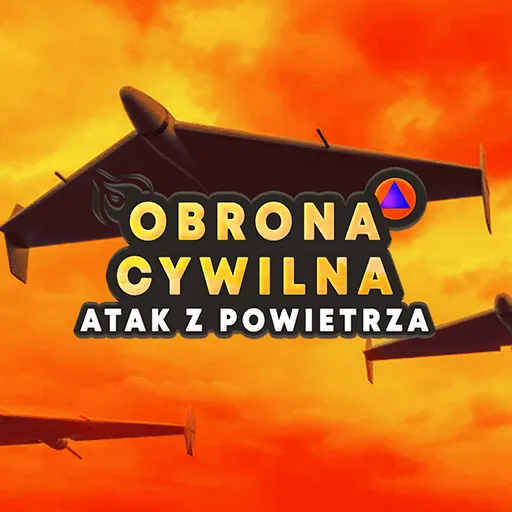
A realistic air-raid simulation teaching correct alarm response, sheltering, and protective behavior.
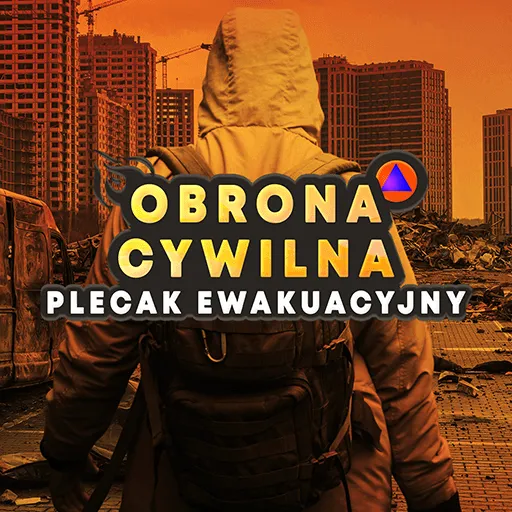 Coming soon
A VR application that teaches users how to properly prepare and pack a 72-hour bug-out bag (emergency evacuation backpack).
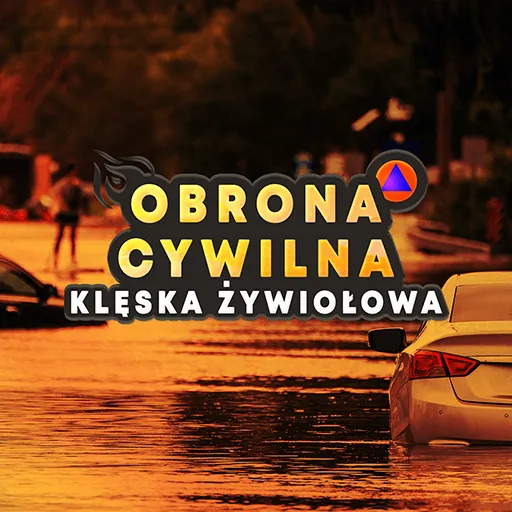 Coming soon
A civil defense VR lesson set in a sudden flood after a dam failure: act on warnings and evacuate in time.
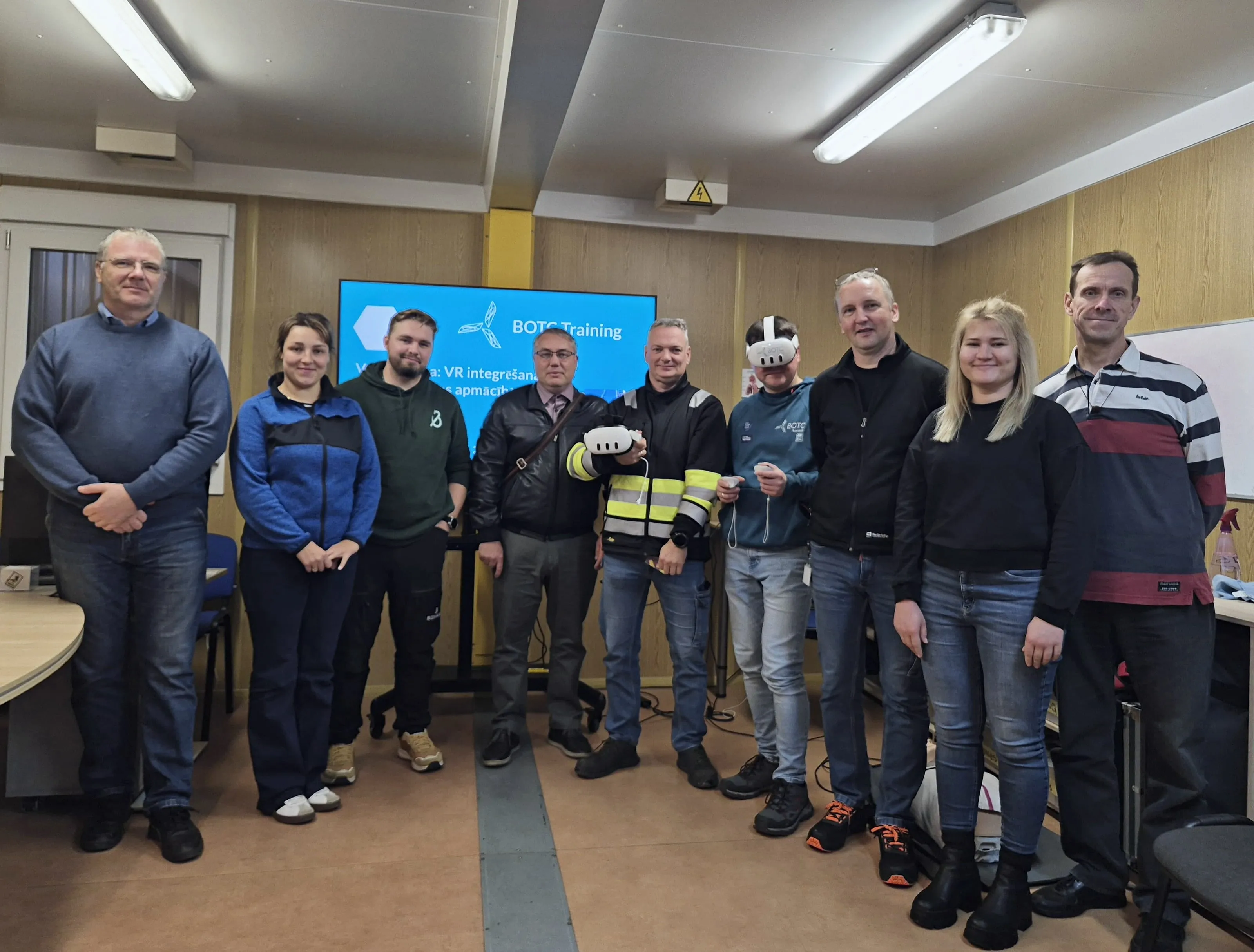
What safety specialists from 30 companies learned at a BOTC VR workshop: short modules, high-risk training, local languages.
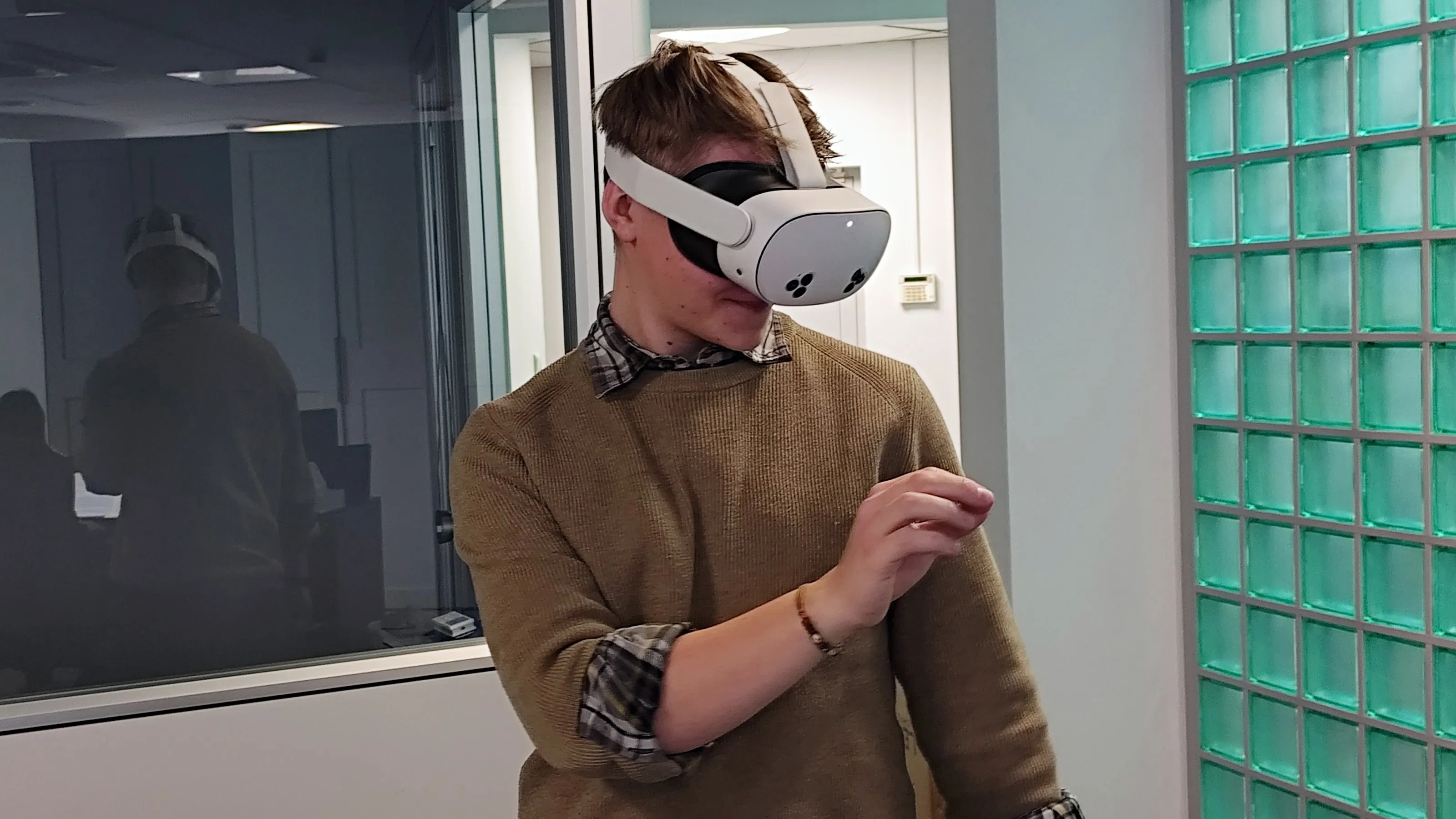
Initial OHS training that keeps quality consistent, engages new employees and documents results.
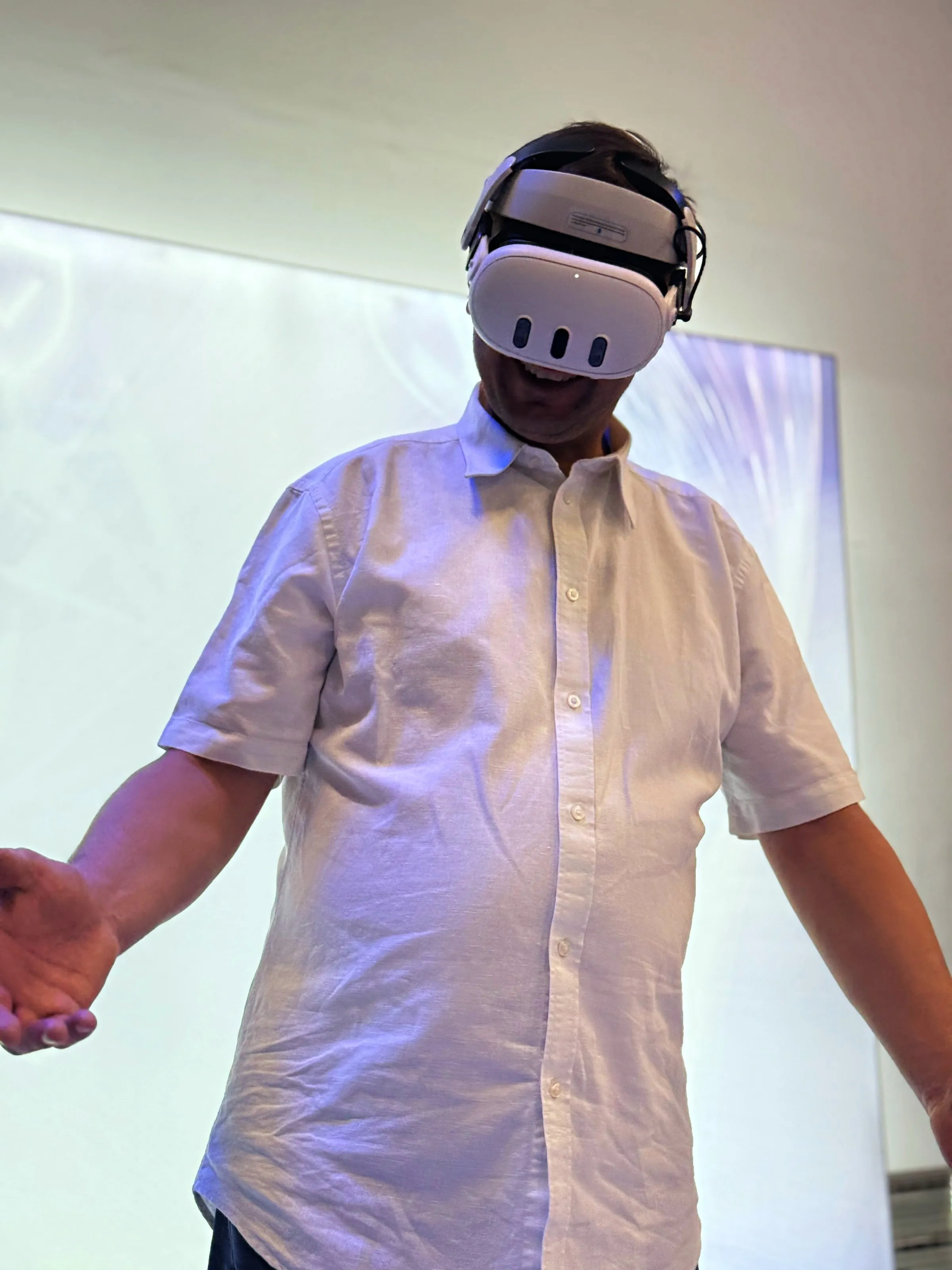
Periodic OHS refresher training that engages employees, can run at any time and documents results.
We send you a headset with all the apps. You test for 5 business days, and we cover shipping both ways.
Get a test headsetInstall in a few minutes and test all the apps for 7 days. No card, no commitment.
Test on my headsets30 minutes online: we show you scenarios for your industry and answer your questions about rollout.
Book a call