Technical training
Technical training in VR: cost-effective, customizable and easy to run.
- Hands only
- 2 × 2 m space
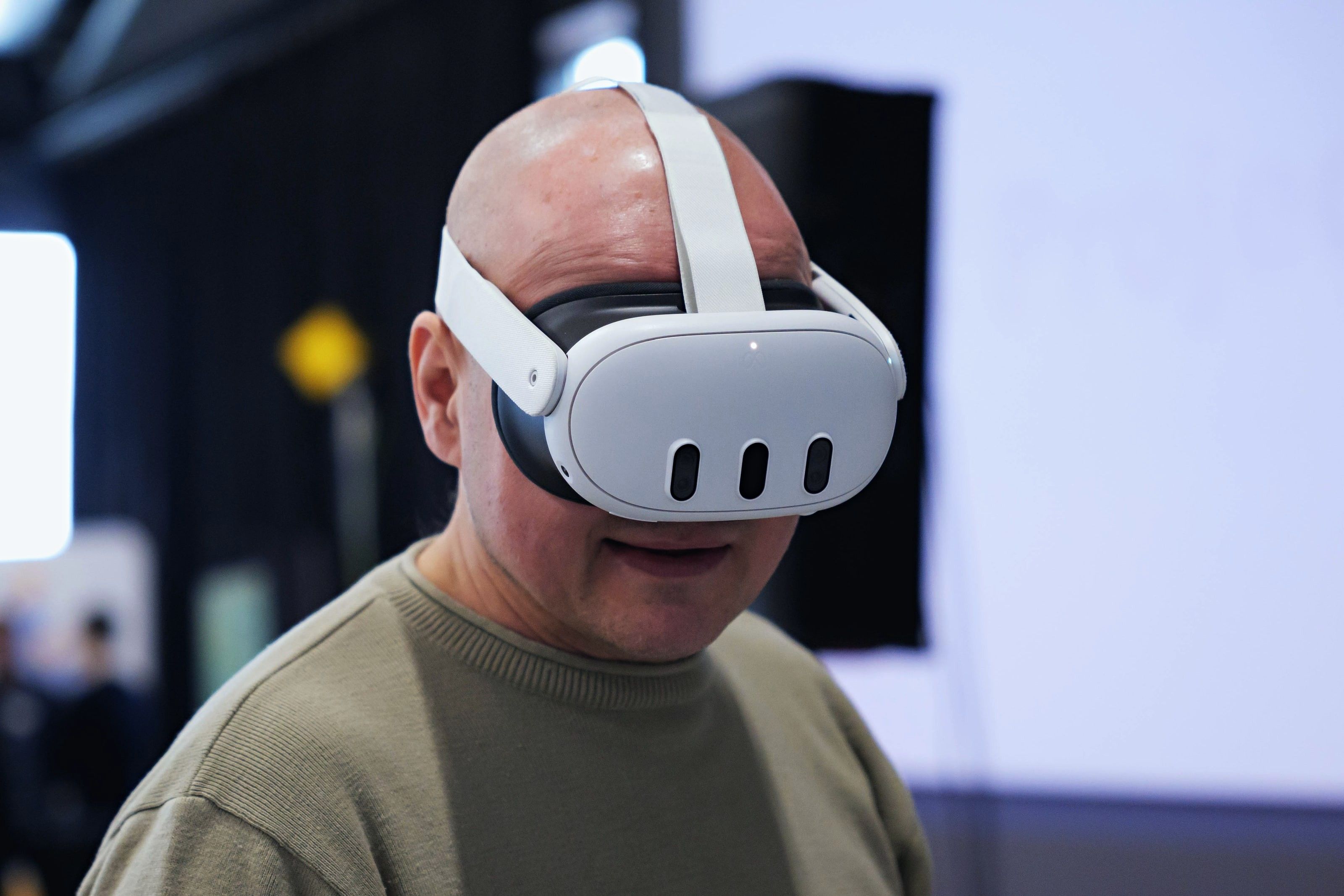
- Hands only
- 2 × 2 m space
Technical training without stopping production
VR makes technical training more practical: employees build skills in realistic scenarios, safely and without stopping production.
Traditional technical training is costly and disruptive
Without VR
- Physical setups and outsourcing are expensive.
- Logistics are complex, and production lines have to stop.
- Quality differs from one training session to the next.
- Employees are not always prepared for real-world scenarios.
With EHS VR
- Train anytime, anywhere, from forklift operation to chemical spill cleanup.
- Real-world scenarios recreated for risk-free, hands-on practice.
- Built-in voice guidance makes it easy for HSE specialists to deploy.
- Training does not disrupt day-to-day activities.
Key benefits of VR technical training
Always accessible
VR training is available anytime and anywhere, providing flexibility for both trainers and trainees.
Minimized disruptions
Workers can train without impacting production schedules.
Consistency across teams
Virtual modules provide uniform training experiences, so all employees receive the same quality of instruction.
Risk-free learning
Employees gain practical knowledge in hazardous scenarios without real-world dangers.
Easy to teach and learn
VR training is intuitive, making it simple for trainers to implement and for participants to absorb.
Scalable and repeatable
Sessions can be repeated as needed, allowing for wide implementation across locations and teams.
Apps that solve this problem
 High-risk work
Lockout Tagout
Control hazardous energy with Lockout Tagout VR - safer machinery maintenance.
 High-risk work
Working at Height
Immersive training for working at height - fall protection and rescue in VR.
 High-risk work
Work in Confined Spaces
Train confined space entry and safety in VR - ventilation, PPE, and evacuation.
 High-risk work
Rigger & Signalman
Master hand and voice signals in VR - safer construction site operations.
 High-risk work
Chemical Spill Response
Respond to chemical spills safely in VR - PPE, containment, and compliance.
How to organize it
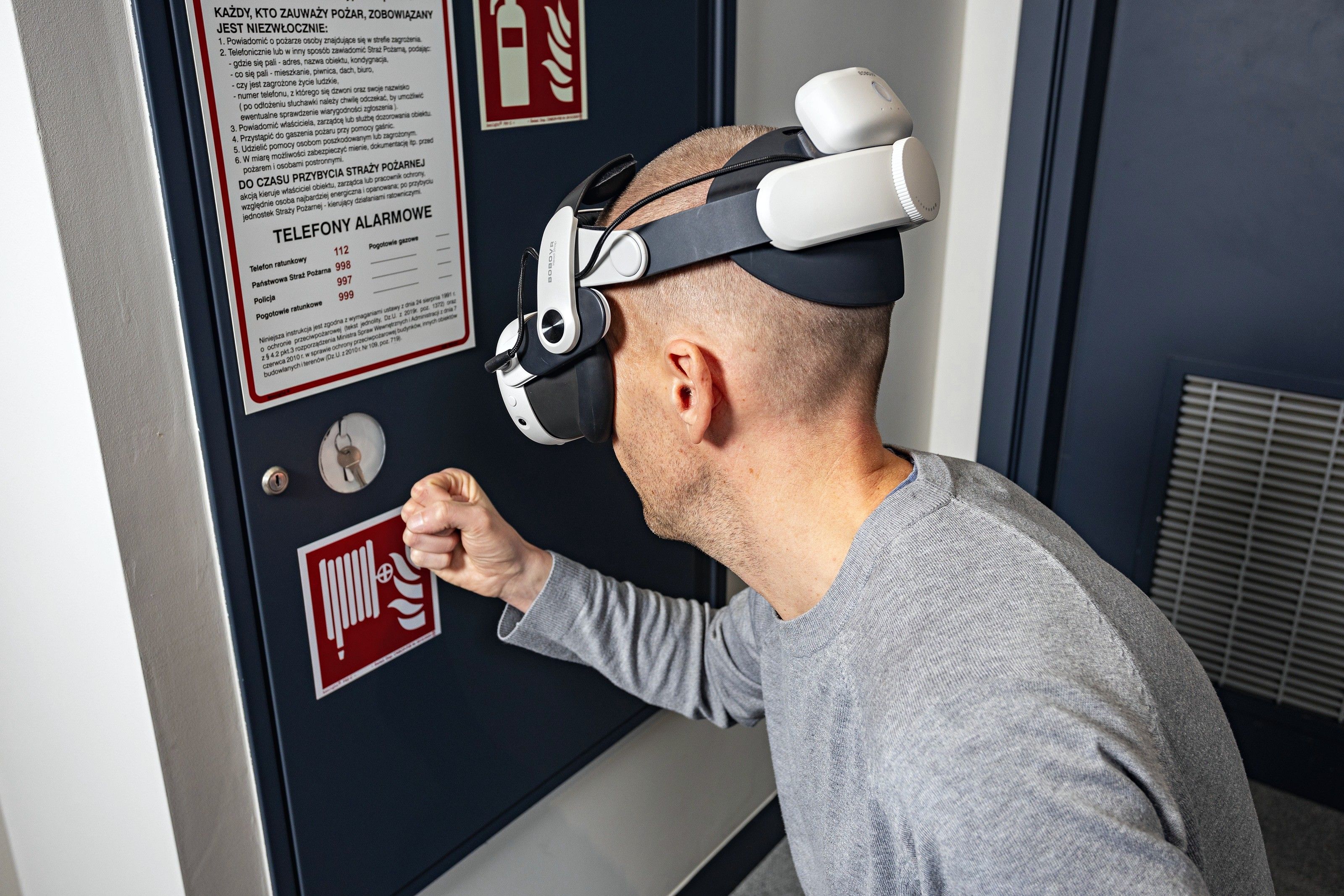
VR lets people practice procedures hands-on, in a realistic but safe environment. Here is what you need to run it in your organization.
Easy setup
All you need is VR headsets and a subscription to our apps. Each package gives unlimited access to its training modules. The apps run on Meta Quest headsets; selected apps also run on Pico and HTC.
Hands-on learning
Employees train in realistic scenarios with their own hands, no controllers needed. The apps work offline, except SAMPLE AI, which needs an internet connection for its AI-driven conversation.
Indoors or outdoors
Each participant needs about 2 × 2 m of free space. Several trainees can share one headset by taking turns, while the others follow the session on a shared screen.
How many headsets you need
We recommend one headset per 4–5 participants trained on the same day. If employees rotate over a longer period, 1–2 headsets are enough. Extra batteries and straps are available for longer sessions.
Trackable progress
Follow each employee’s results and progress, and see where people need more practice.
Customizable and cost-effective
VR reduces the need for external trainers, physical setups and complex logistics. Modules can be tailored to your industry and to specific safety and operational needs.
Other use cases
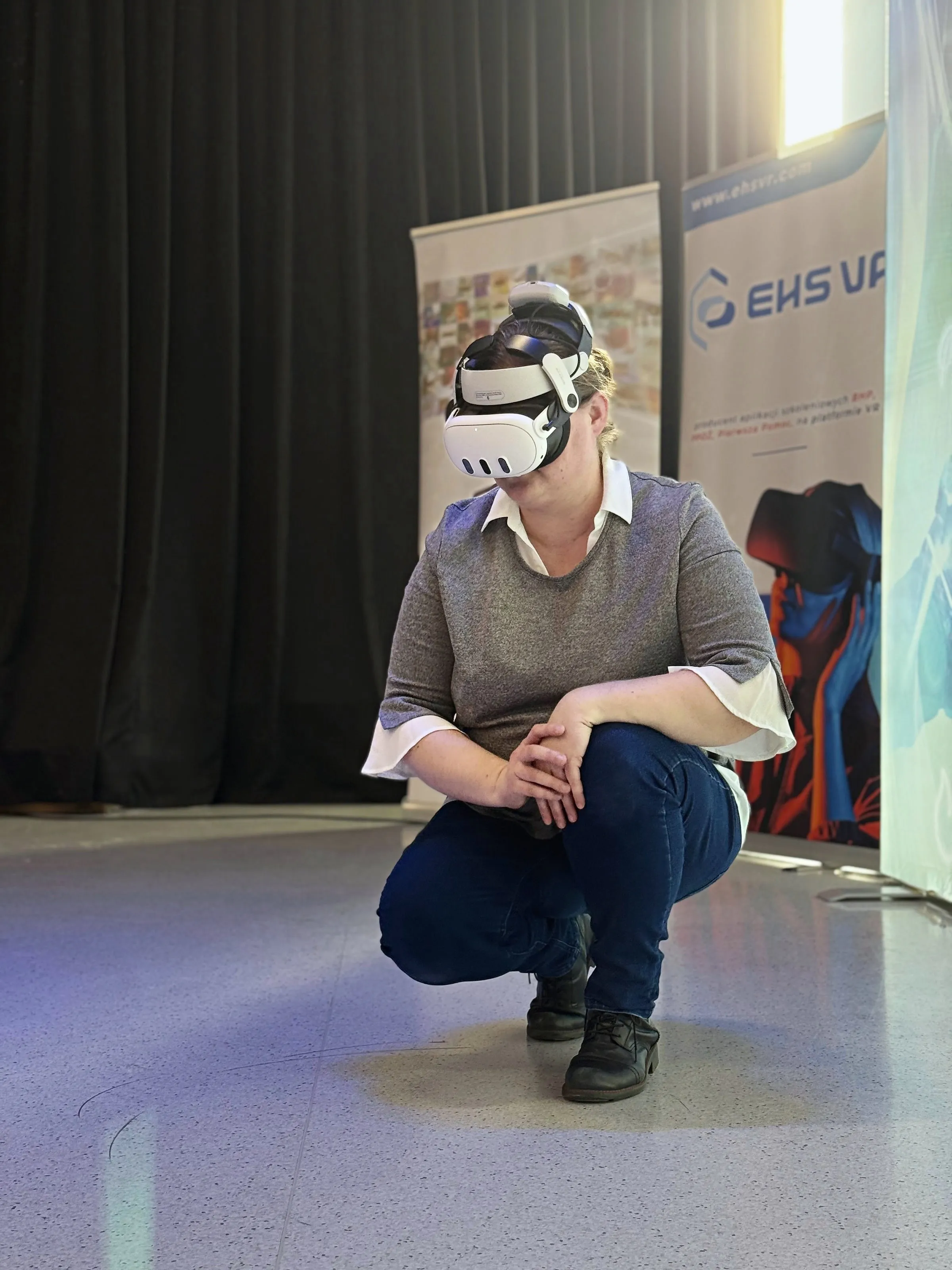
On-the-job training
Practical job training in VR: machine operation, emergency procedures and hazardous work without stopping production.
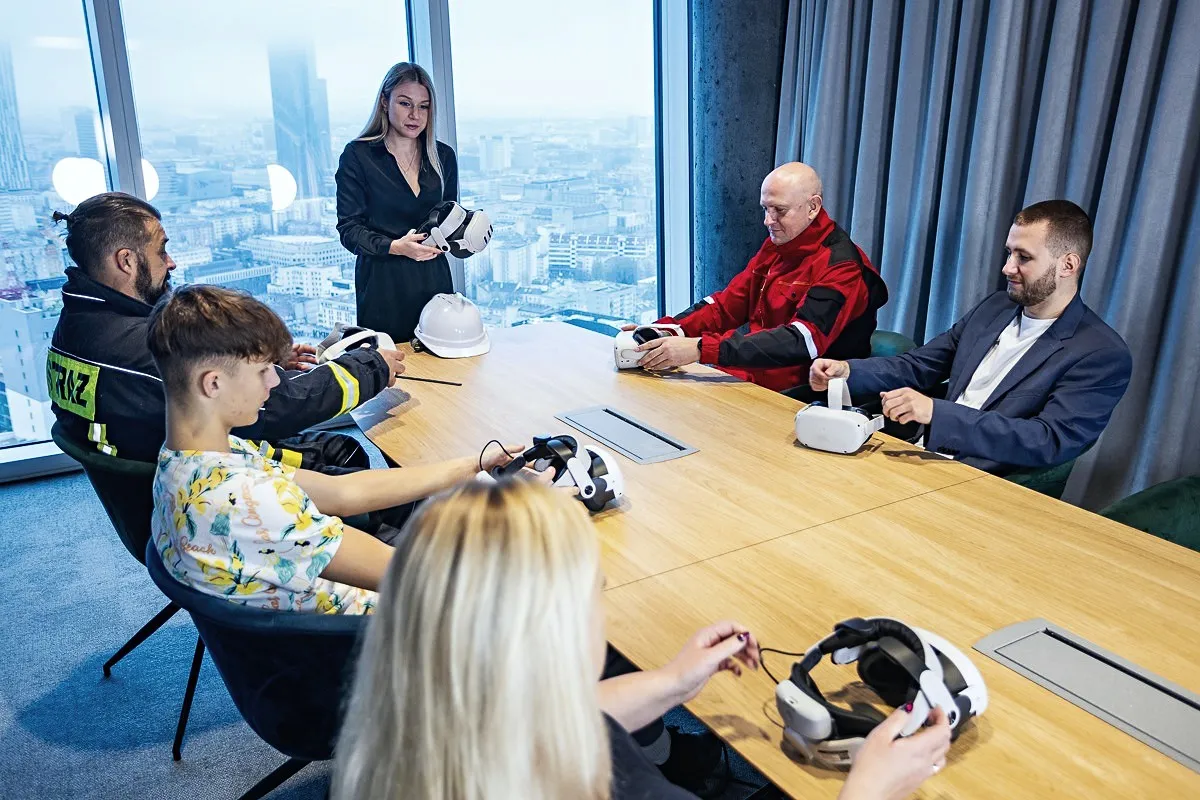
Team building activities
Mandatory HSE, fire and first aid training turned into a shared team experience with VR.
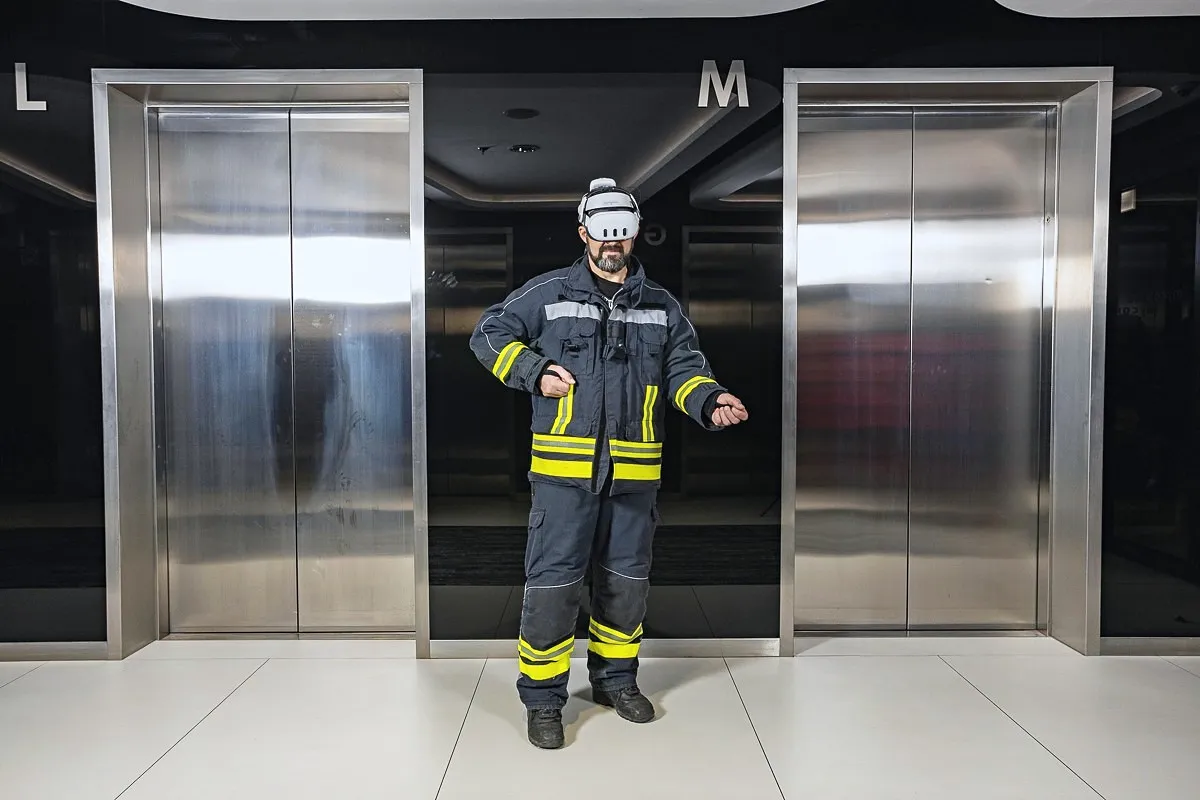
Firefighters’ Day
Firefighters’ Day with VR: children and teenagers learn fire safety by stepping into a firefighter’s role.
How would you like to start?
I don’t have a headset
We send you a headset with all the apps. You test for 5 business days, and we cover shipping both ways.
Get a test headsetI have my own headsets
Install in a few minutes and test all the apps for 7 days. No card, no commitment.
Test on my headsetsI’d rather talk
30 minutes online: we show you scenarios for your industry and answer your questions about rollout.
Book a call