Fire safety
Evacuation with Aerial Ladder
High-rise evacuation in VR - train on aerial ladder rescues safely.
Interactive, realistic fire prevention training in a safe, controlled environment.
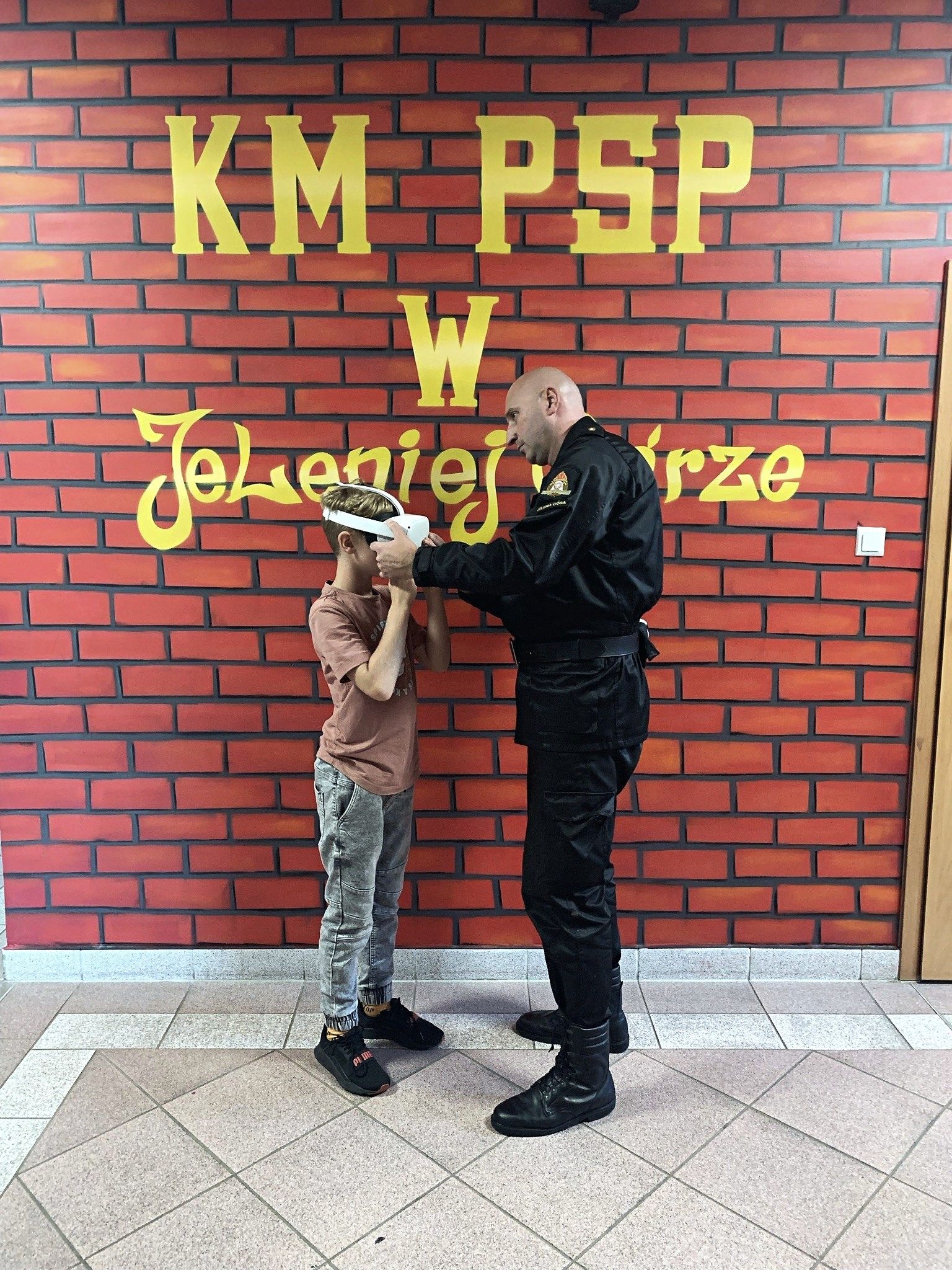
Firefighters play a key role in education and community prevention, with one of their main tasks being to engage children, youth, and adults in fire safety topics. With VR technology, firefighters can effectively conduct interactive and realistic training on fire prevention, engaging participants in a safe, controlled environment.
For the full offer for fire services, with recommended apps and pricing, see VR training for fire departments.
Firefighters can use VR in schools, conducting simulations of fires, evacuations, or first aid. Children learn safety principles in a realistic environment, without any risk, in a fully controlled space.
Participants, both children and adults, take part in interactive training and simulations of fires, evacuations, or first aid situations. This allows for modern and engaging public safety education.
VR can serve as a tool for initial recruitment training. Potential recruits, including younger people, can take part in simulations that introduce them to the reality of being a firefighter.
Realistic fire simulations reduce the need for costly real-world fire drills, so training can take place anytime, anywhere, without the usual logistics and expenses.
High-rise evacuation in VR - train on aerial ladder rescues safely.
Experience a 7th-floor escape in VR - safe training with a firefighter’s jump cushion.
Learn to prevent and fight household fires - six rooms, real risks, full safety.
VR lets people practice procedures hands-on, in a realistic but safe environment. Here is what you need to run it in your organization.
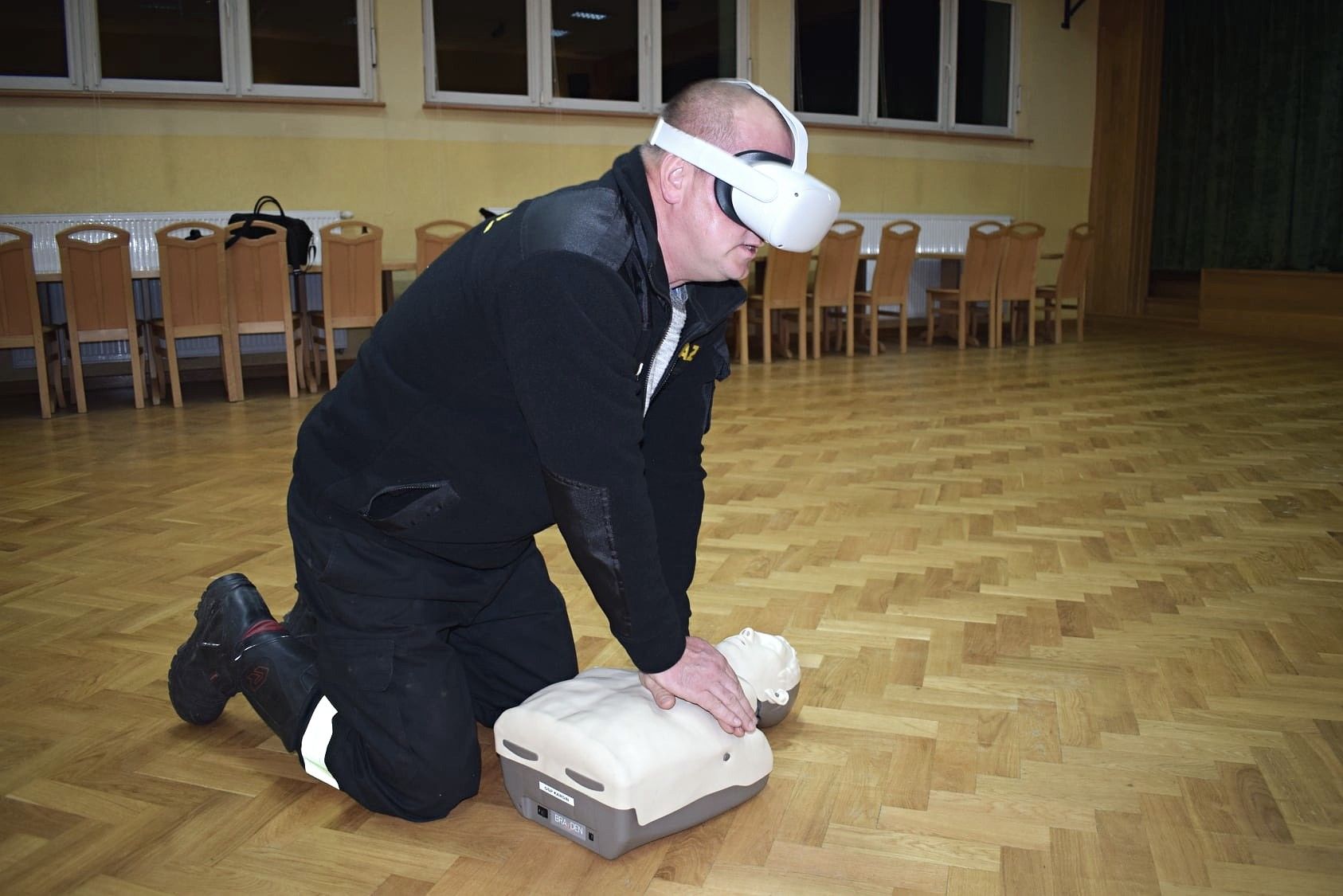
All you need is VR headsets and a subscription to our apps. Each package gives unlimited access to its training modules. The apps run on Meta Quest headsets; selected apps also run on Pico and HTC.
Employees train in realistic scenarios with their own hands, no controllers needed. The apps work offline, except SAMPLE AI, which needs an internet connection for its AI-driven conversation.
Each participant needs about 2 × 2 m of free space. Several trainees can share one headset by taking turns, while the others follow the session on a shared screen.
We recommend one headset per 4–5 participants trained on the same day. If employees rotate over a longer period, 1–2 headsets are enough. Extra batteries and straps are available for longer sessions.
Follow each employee’s results and progress, and see where people need more practice.
VR reduces the need for external trainers, physical setups and complex logistics. Modules can be tailored to your industry and to specific safety and operational needs.
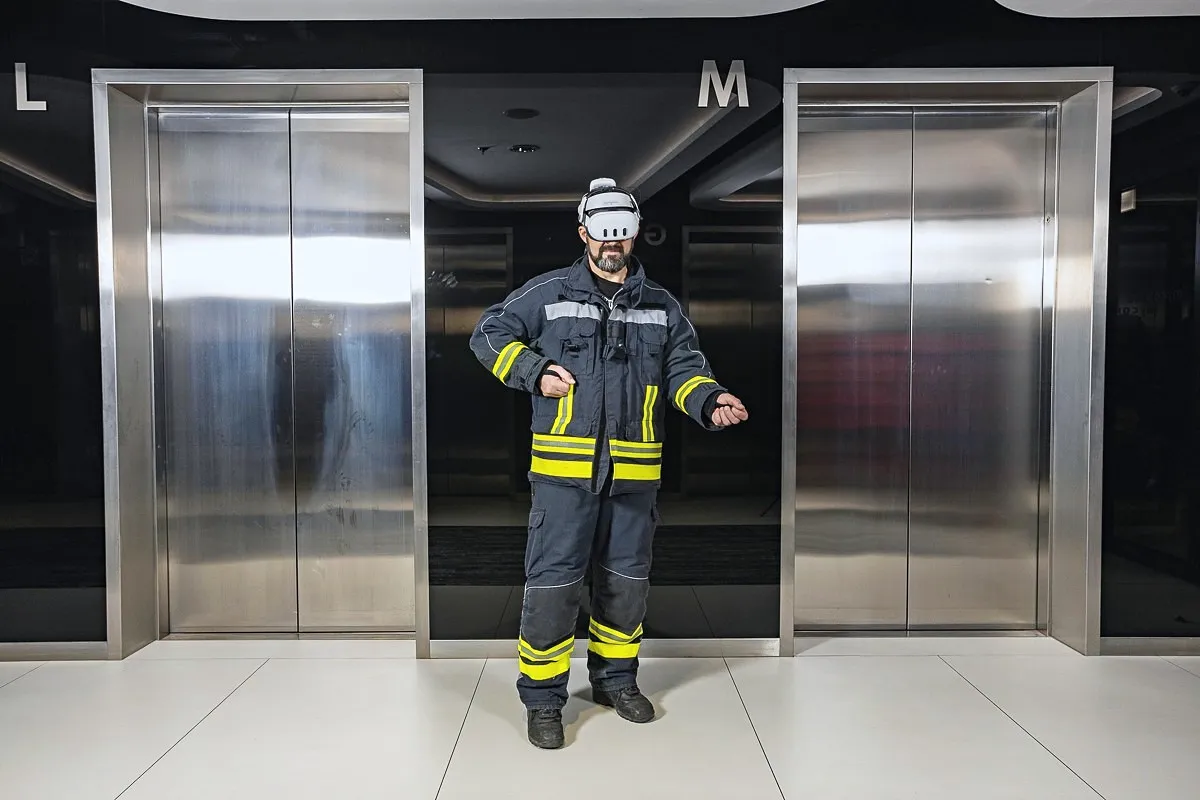
Firefighters’ Day with VR: children and teenagers learn fire safety by stepping into a firefighter’s role.
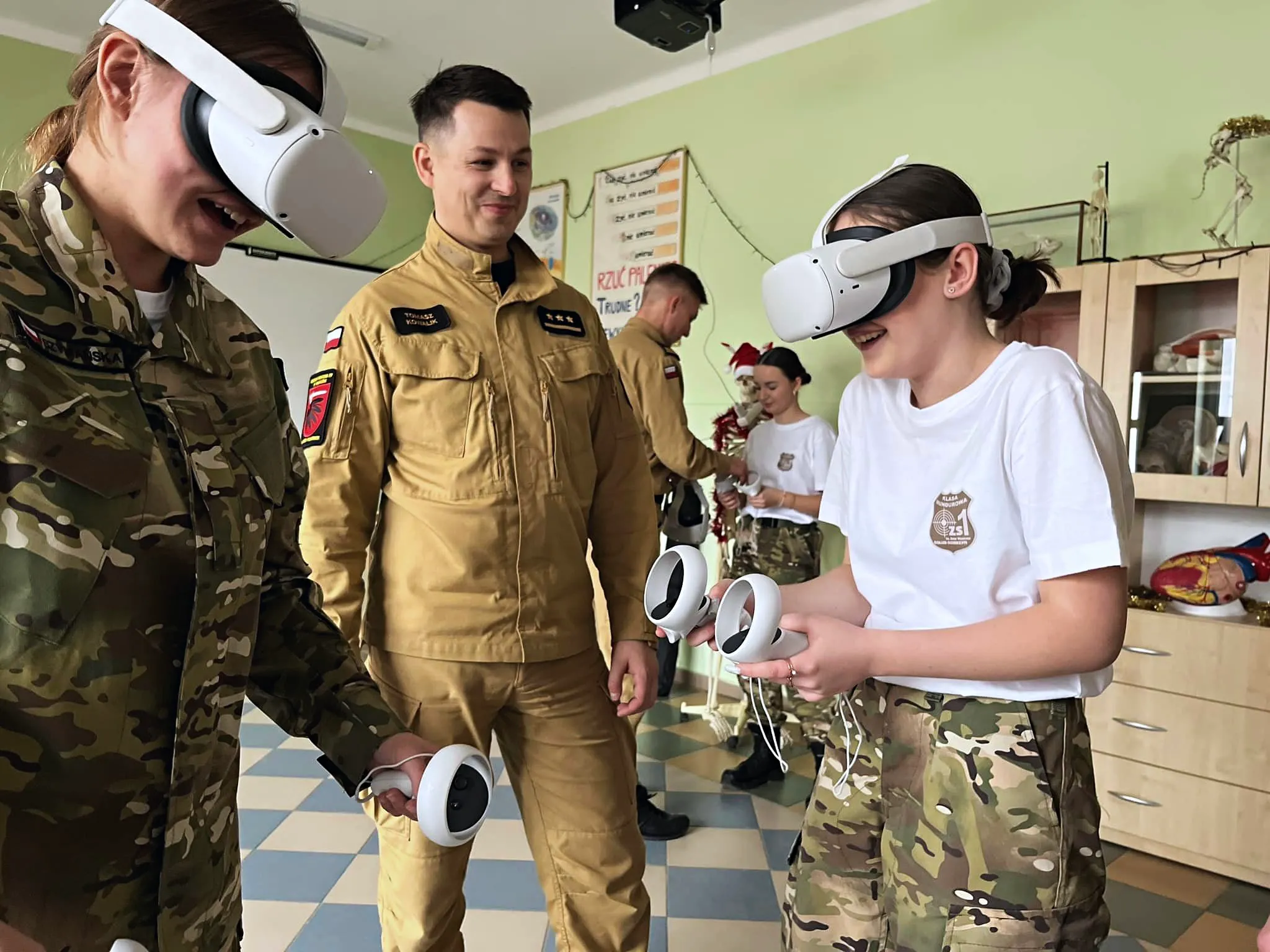
VR for volunteer fire departments: inspire future recruits, train safely and engage the community.
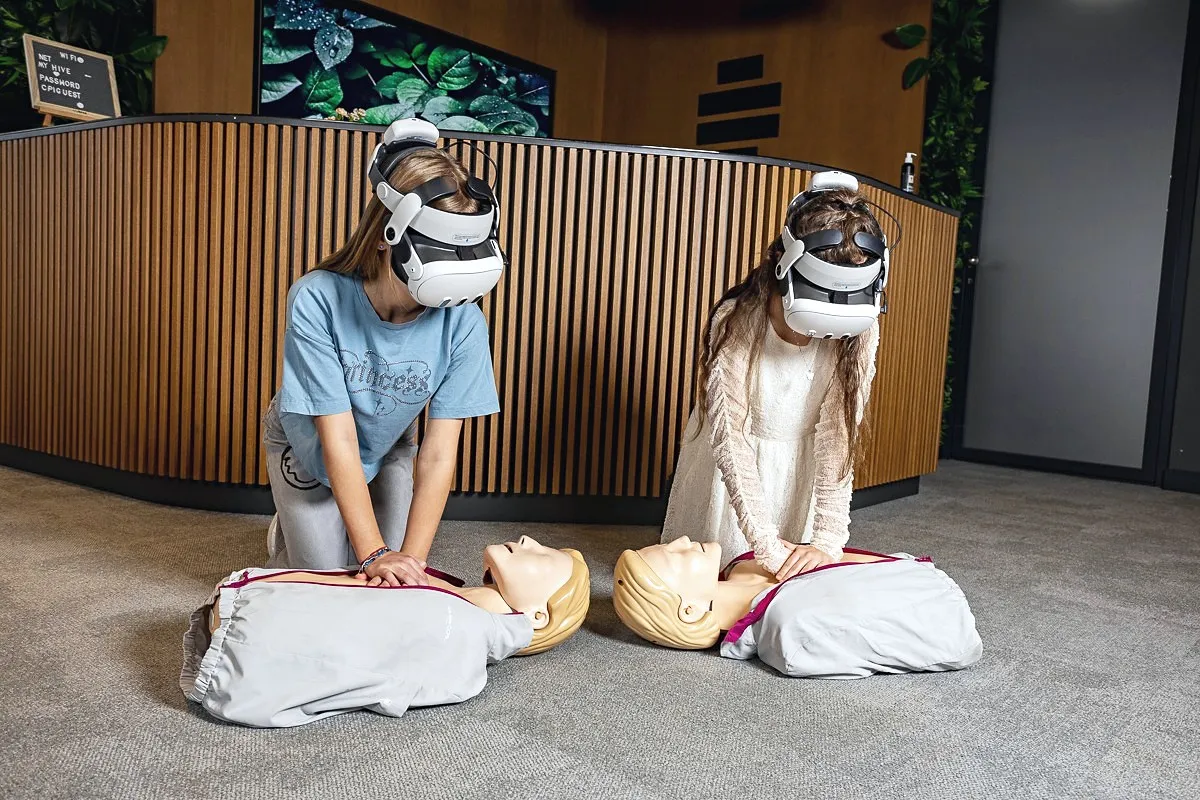
VR in education: first aid and fire safety training without logistics or risk, plus practice for technical fields.
We send you a headset with all the apps. You test for 5 business days, and we cover shipping both ways.
Get a test headsetInstall in a few minutes and test all the apps for 7 days. No card, no commitment.
Test on my headsets30 minutes online: we show you scenarios for your industry and answer your questions about rollout.
Book a call