How schools and universities use VR
VR in schools and universities: first aid and fire safety that students practice, not just hear about.
- Hands only
- 2 × 2 m space
- Hands only
- 2 × 2 m space
VR makes safety lessons practical
Virtual reality makes training in first aid, fire safety, technical fields and more accessible and affordable for schools and universities. Here is how it addresses the limits of traditional teaching and keeps students engaged.
For recommended apps, pricing and funding for schools, see VR training for schools and universities.
Traditional training is hard to organize in schools
Without VR
- Mandatory first aid needs dates and rooms, and students still miss it.
- Controlled fire drills are risky and expensive.
- Equipment for hands-on practice in technical fields is costly.
- Students used to digital experiences are hard to engage.
With EHS VR
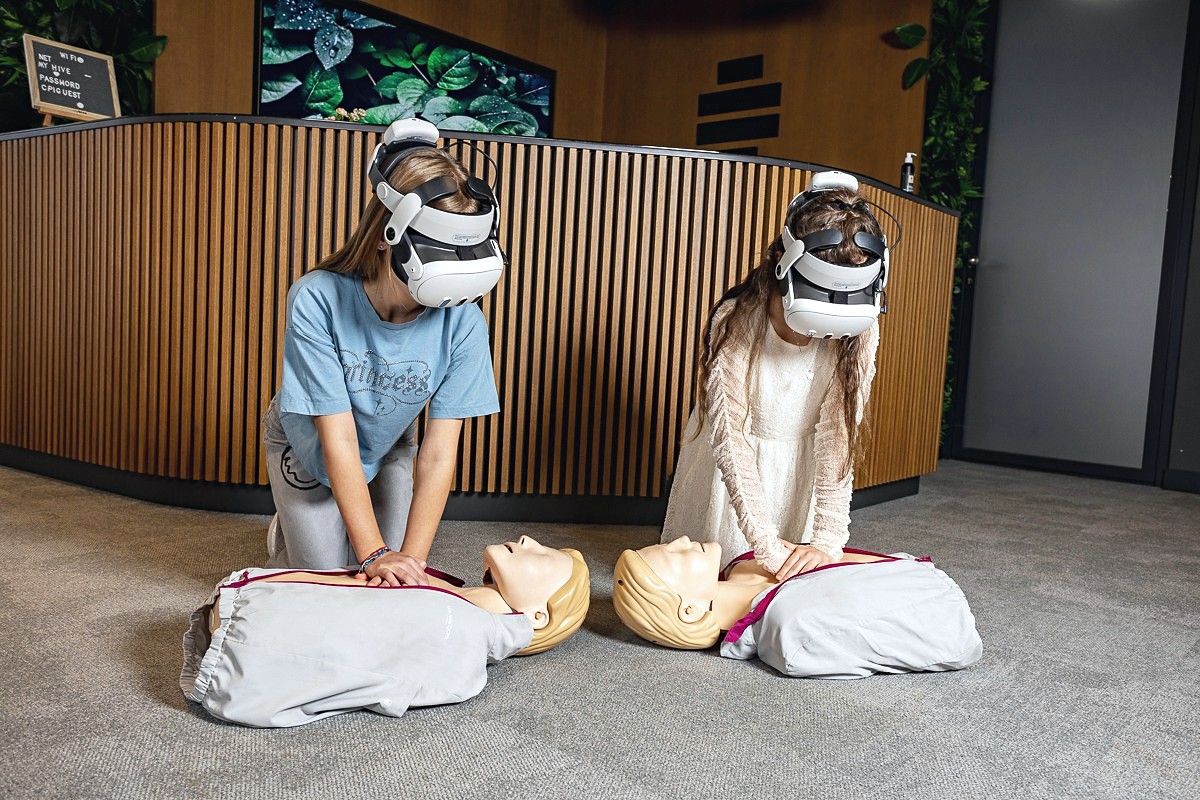
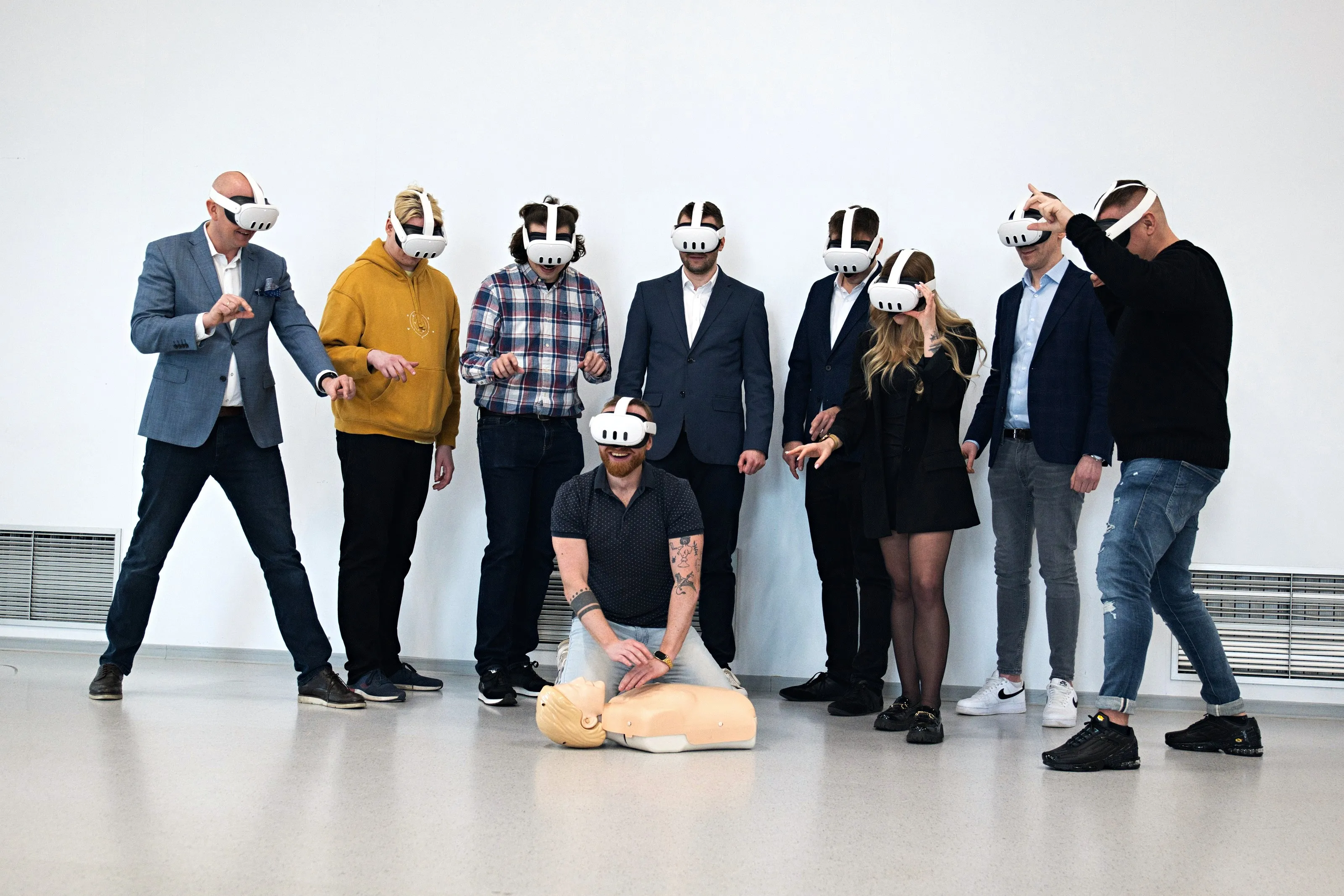
- First aid at any time, at each student’s pace, with CPR manikins.
- Simulated fires and evacuations instead of live fire drills.
- Custom apps for hands-on practice in technical fields.
- Instructors guide students and give feedback in real time.
- Affordable, scalable subscriptions for schools and universities.
What schools and universities use VR for
First aid education
Students can take first aid training at any time, so nobody misses it because of an absence. Simulations that work with CPR manikins let them learn at their own pace, at any age.
Fire safety training
Rather than relying on controlled fire drills, students experience simulated fire scenarios, practice emergency response techniques, handle fire extinguishers, and evacuate buildings, without the risks and costs of live fire setups.
Specialized training for higher education
Custom VR applications allow students to gain hands-on experience and practice skills specific to their discipline, building practical knowledge and confidence in a risk-free virtual environment.
Apps that solve this problem

 Fire safety
Fire Training Evacuation
Train fire evacuation in VR - alarm response, firefighting, and testing.
How to organize it
VR lets people practice procedures hands-on, in a realistic but safe environment. Here is what you need to run it in your organization.
Easy setup
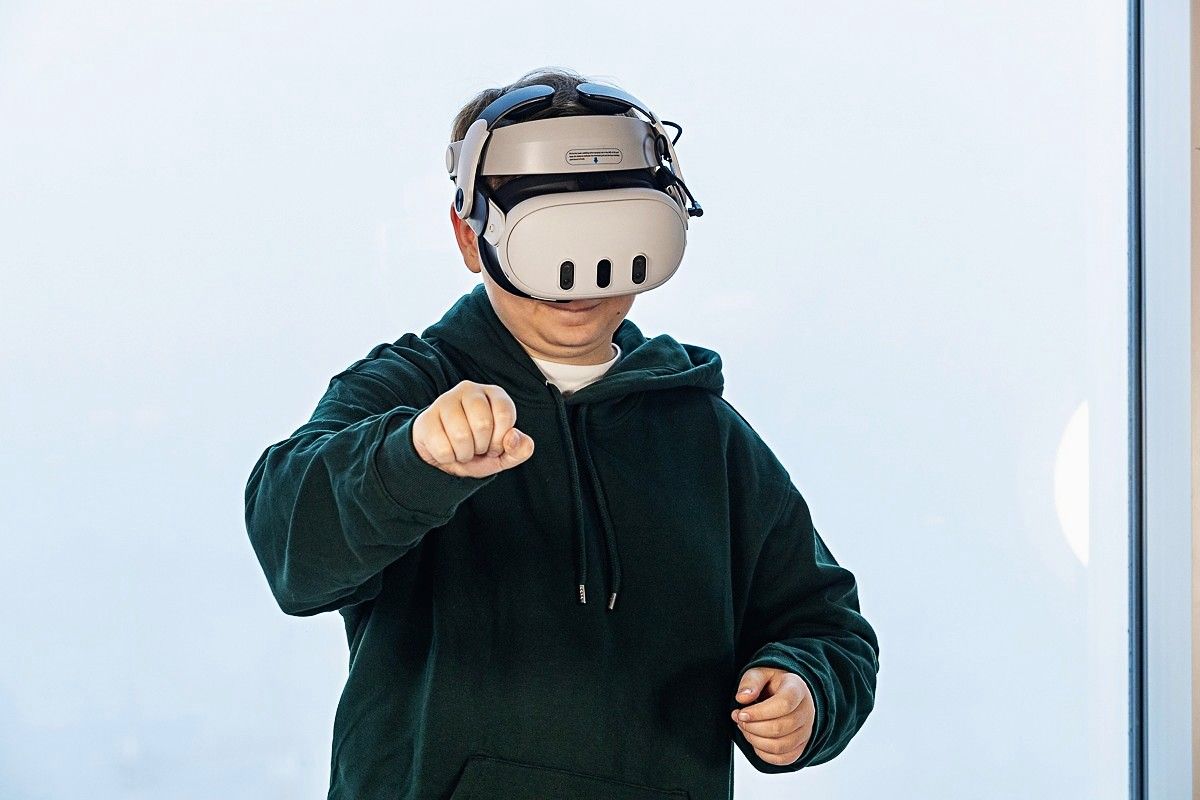
All you need is VR headsets and a subscription to our apps. Each package gives unlimited access to its training modules. The apps run on Meta Quest headsets; selected apps also run on Pico and HTC.
Hands-on learning
Employees train in realistic scenarios with their own hands, no controllers needed. The apps work offline, except SAMPLE AI, which needs an internet connection for its AI-driven conversation.
Indoors or outdoors
Each participant needs about 2 × 2 m of free space. Several trainees can share one headset by taking turns, while the others follow the session on a shared screen.
How many headsets you need
We recommend one headset per 4–5 participants trained on the same day. If employees rotate over a longer period, 1–2 headsets are enough. Extra batteries and straps are available for longer sessions.
Trackable progress
Follow each employee’s results and progress, and see where people need more practice.
Customizable and cost-effective
VR reduces the need for external trainers, physical setups and complex logistics. Modules can be tailored to your industry and to specific safety and operational needs.
Other use cases
Onboarding
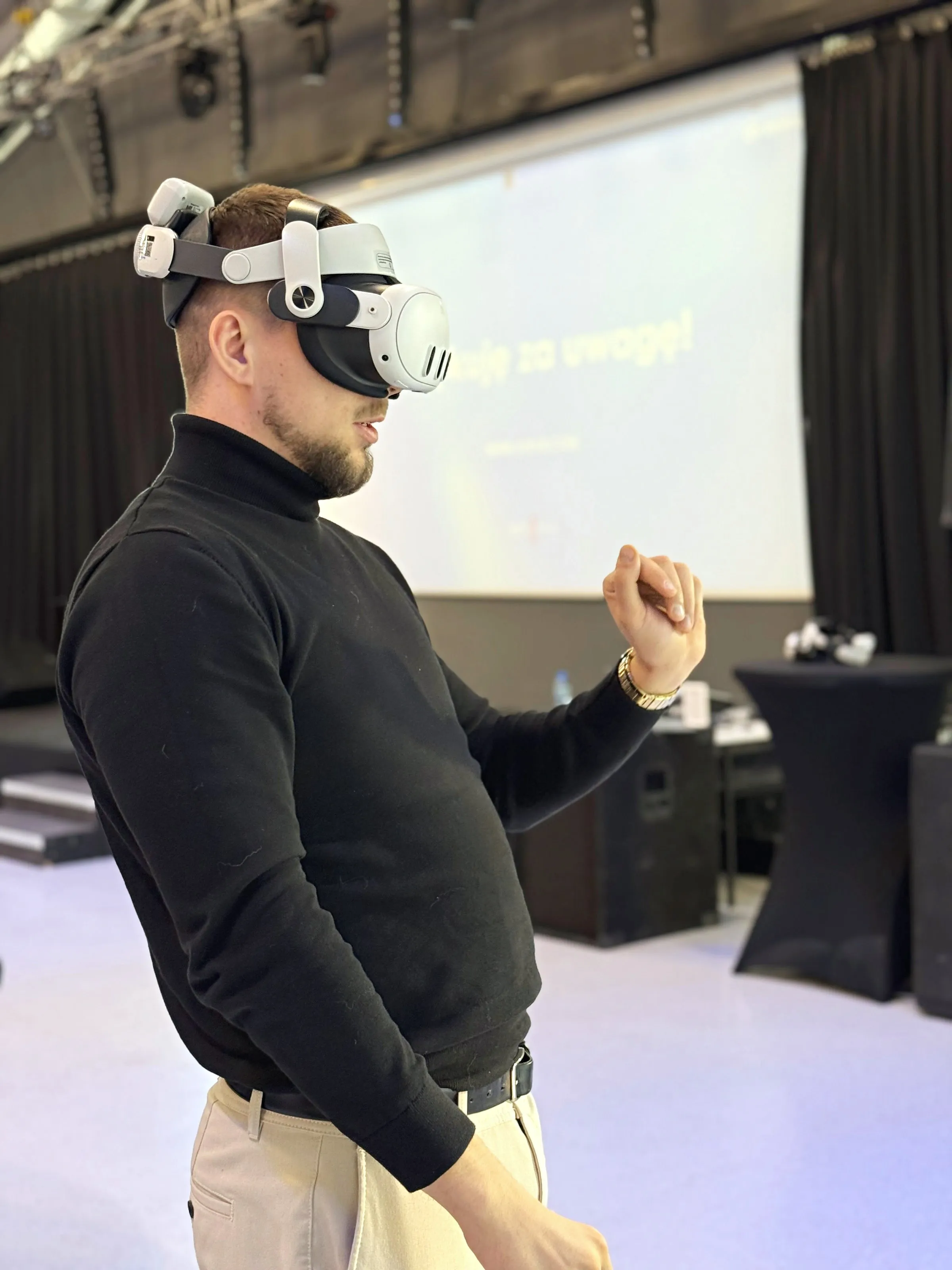
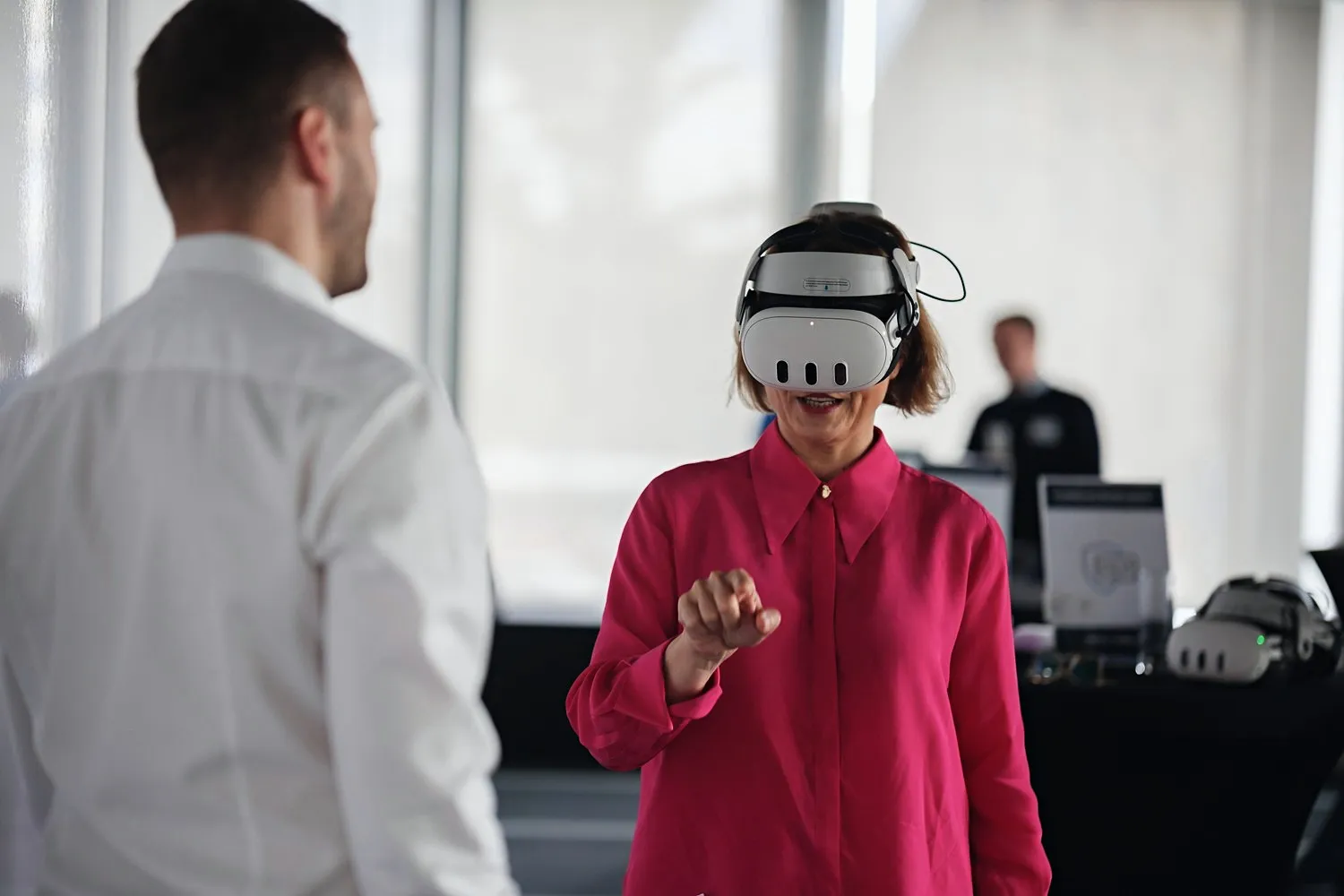
Onboarding in VR: OHS, first aid and fire safety training at any time, with standardized content and tracked results.
Training companies
VR for training providers: stand out, win high-value clients and offer premium, customizable training.
Safety Day
Safety Days and HSE events with realistic VR scenarios: first aid, fire safety and evacuation.
How would you like to start?
I don’t have a headset
We send you a headset with all the apps. You test for 5 business days, and we cover shipping both ways.
Get a test headsetI have my own headsets
Install in a few minutes and test all the apps for 7 days. No card, no commitment.
Test on my headsetsI’d rather talk
30 minutes online: we show you scenarios for your industry and answer your questions about rollout.
Book a call