
How Lufthansa Uses Virtual Reality
Technology news2 min read
How Lufthansa used virtual reality to present and train staff on its new Allegris cabin, and what other companies can learn from it.
 Natalia Kiełczykowska2 min read
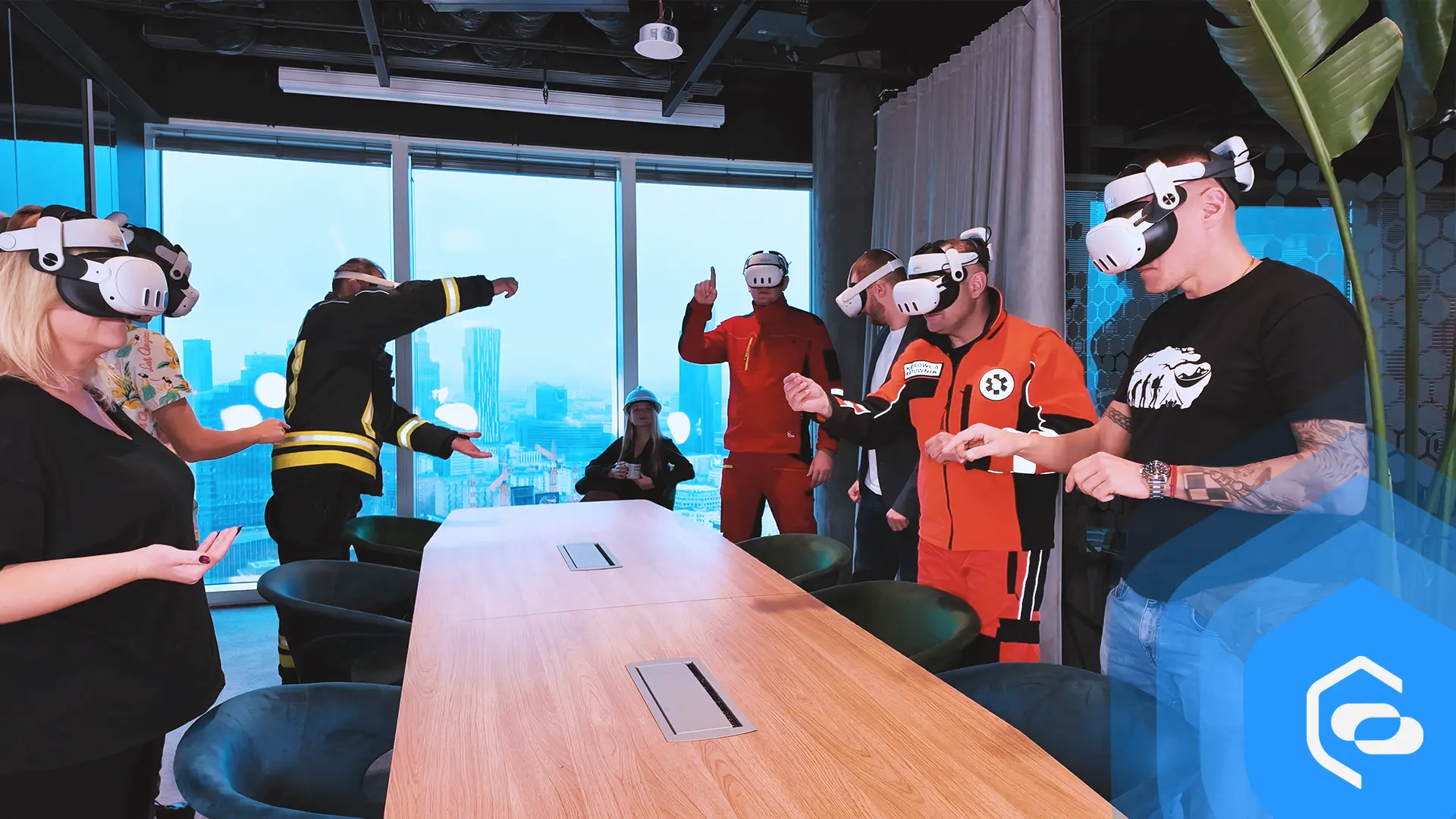
If training is expensive, specialists are hard to find, and the training has to be repeated regularly (for example every year for particularly dangerous work), VR can solve the problem, even when the trainer has no specialist knowledge of the subject.
In this post, I want to discuss a topic that matters to many companies: the lack of experienced staff to run specialist training, such as working at height, forklift operation or lockout/tagout procedures. Many organizations struggle to find experts in these fields or face the high cost of hiring external companies to deliver the training. Virtual reality (VR) can help companies solve these problems.
Traditional specialist training often requires an experienced trainer who is an expert in the field. With a license for VR applications, however, a company can run the training without such a trainer. All it needs is the right VR application, and its occupational health and safety specialist can run training on, for example, working at height.
Organizing traditional specialist training can be expensive and logistically complicated. It often means hiring external companies, finding dates and paying for each participant separately. With VR, the company pays a fixed license fee instead of paying per participant, and can train as many employees as it needs. There is no longer any need to wait for a suitable date or pay for each person separately.
Specialist training in the form of VR applications, such as lockout/tagout, forklift operation or working at height, brings many benefits. For example, there is no need to stop production to train employees in production hazards or lockout/tagout procedures. The whole training can take place in virtual reality, which gives the company much more flexibility and saves time.
VR training is not only more effective than traditional presentations but also more engaging for employees. Thanks to hand tracking, employees interact with their own hands and feel as if they were in a real environment, which helps them gain knowledge and skills more effectively.
To sum up, virtual reality in specialist training can be a breakthrough for companies that lack experienced staff to run training and face the high costs of organizing it traditionally. It reduces costs and makes the training process more flexible and efficient.
Not sure whether VR training will work in your company? Sign up for a free trial
Technology news2 min read
How Lufthansa used virtual reality to present and train staff on its new Allegris cabin, and what other companies can learn from it.
Funding4 min read
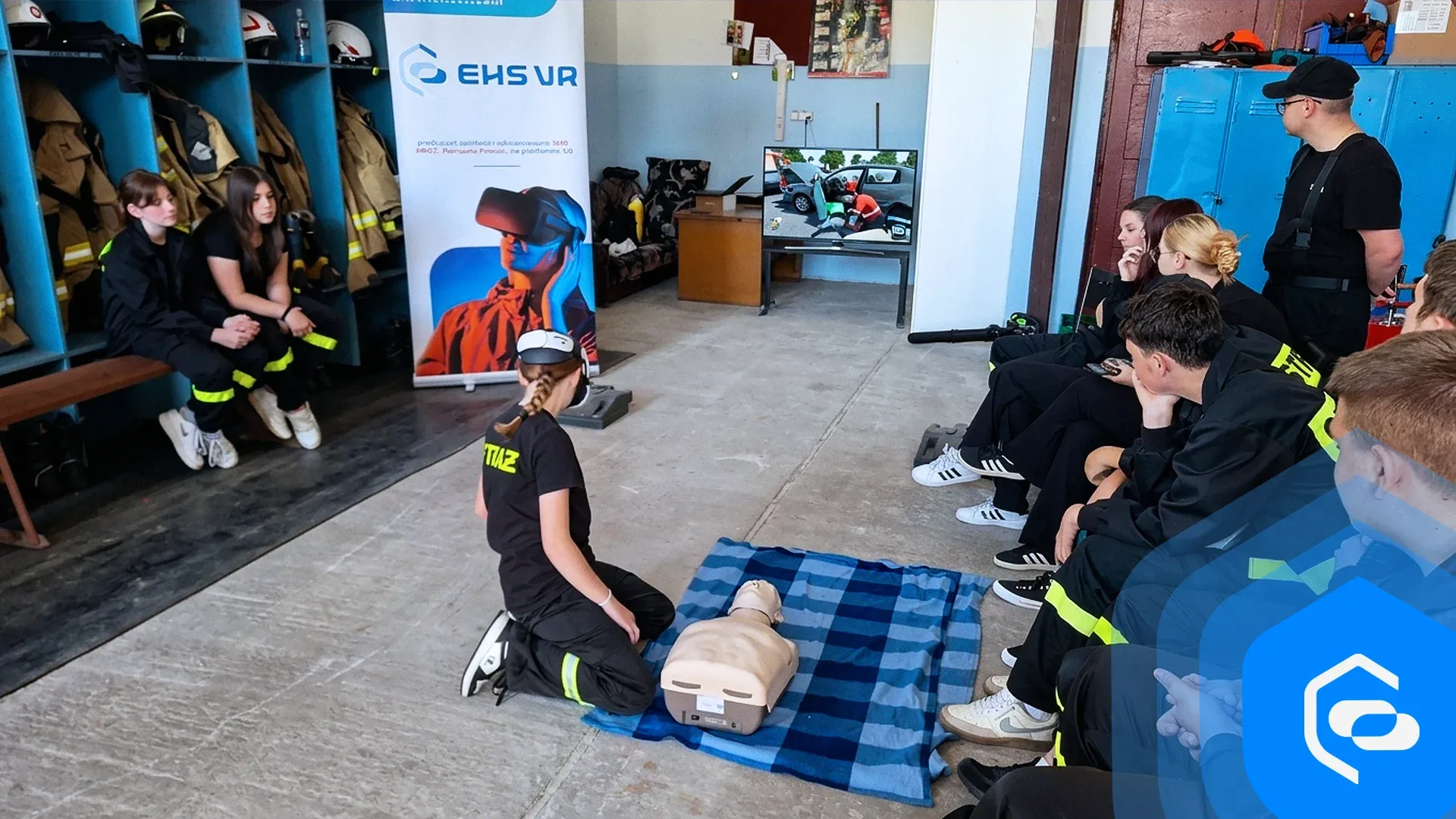
The "Active Village" programme offered up to PLN 15,000 to municipalities and OSP units for first aid training. Applications closed on 30 April 2026.
Funding4 min read
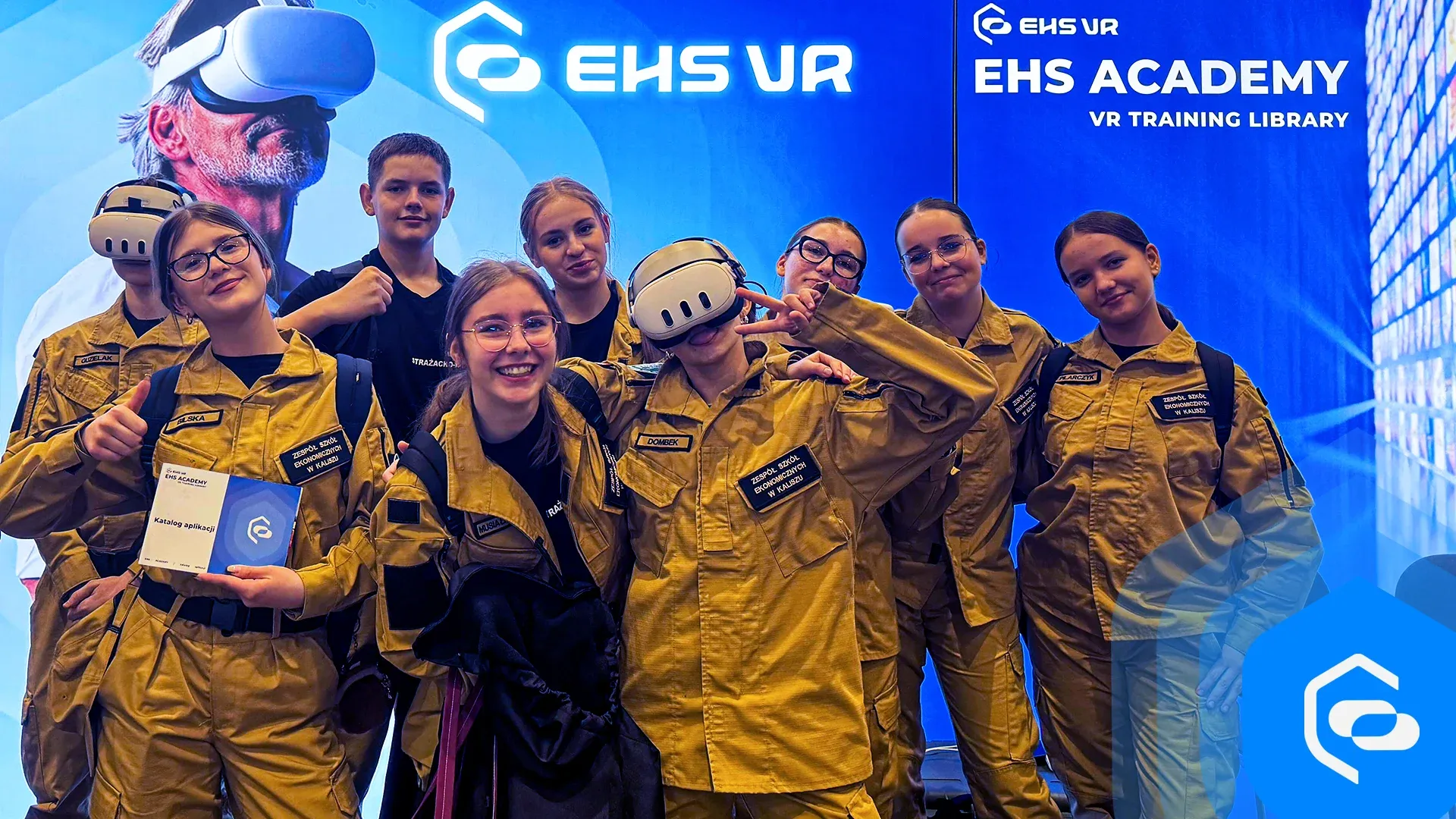
Łódzkie Voivodeship’s 2026 call offered volunteer fire departments up to PLN 10,000 for children and youth fire protection education. Submissions closed on 6 March 2026.
We send you a headset with all the apps. You test for 5 business days, and we cover shipping both ways.
Get a test headsetInstall in a few minutes and test all the apps for 7 days. No card, no commitment.
Test on my headsets30 minutes online: we show you scenarios for your industry and answer your questions about rollout.
Book a call