Occupational health and safety (OHS) training is one of the key elements of workplace safety. Traditional training methods have their strengths, but they often have shortcomings that reduce their effectiveness. In this article, we look at five of the most common mistakes in traditional safety courses and show how virtual reality (VR) can help to eliminate them.
1. No realistic emergency simulations
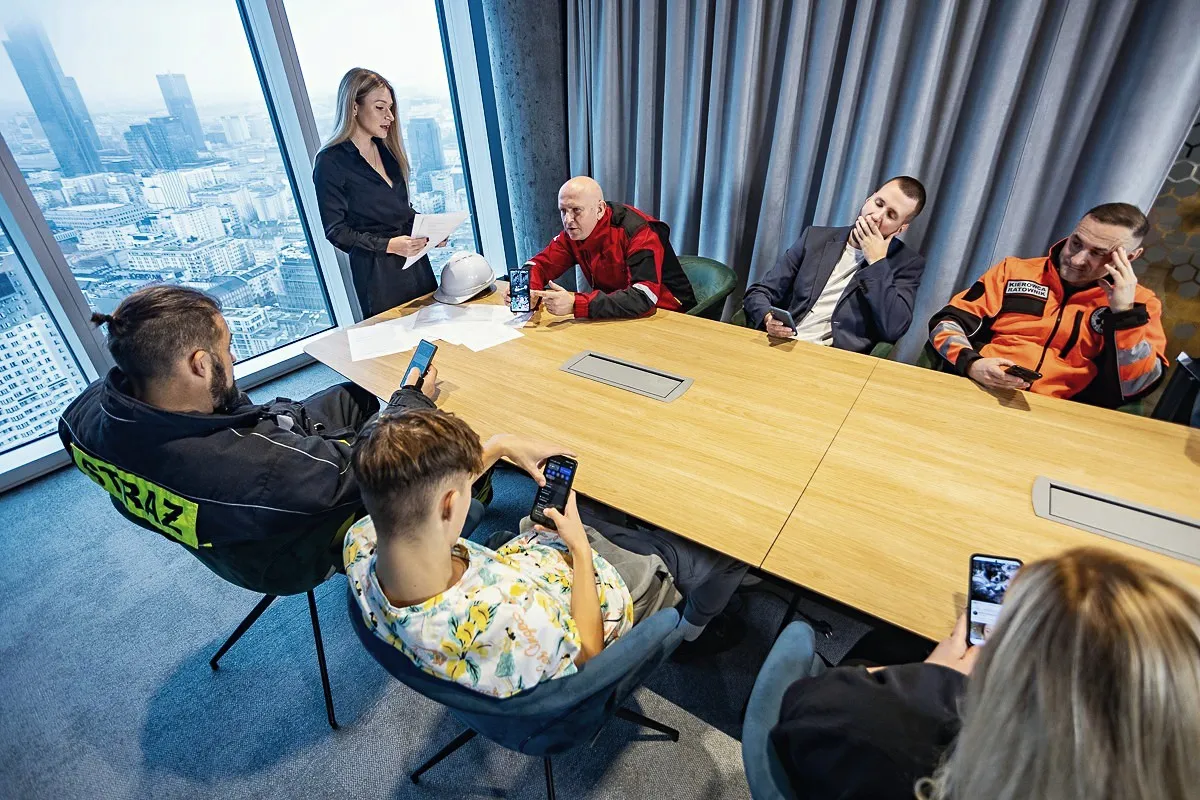
Traditional OHS training usually focuses on theory and safety rules, but rarely lets participants practice emergency scenarios in a realistic setting. Demonstrations help, but they cannot replace hands-on experience.
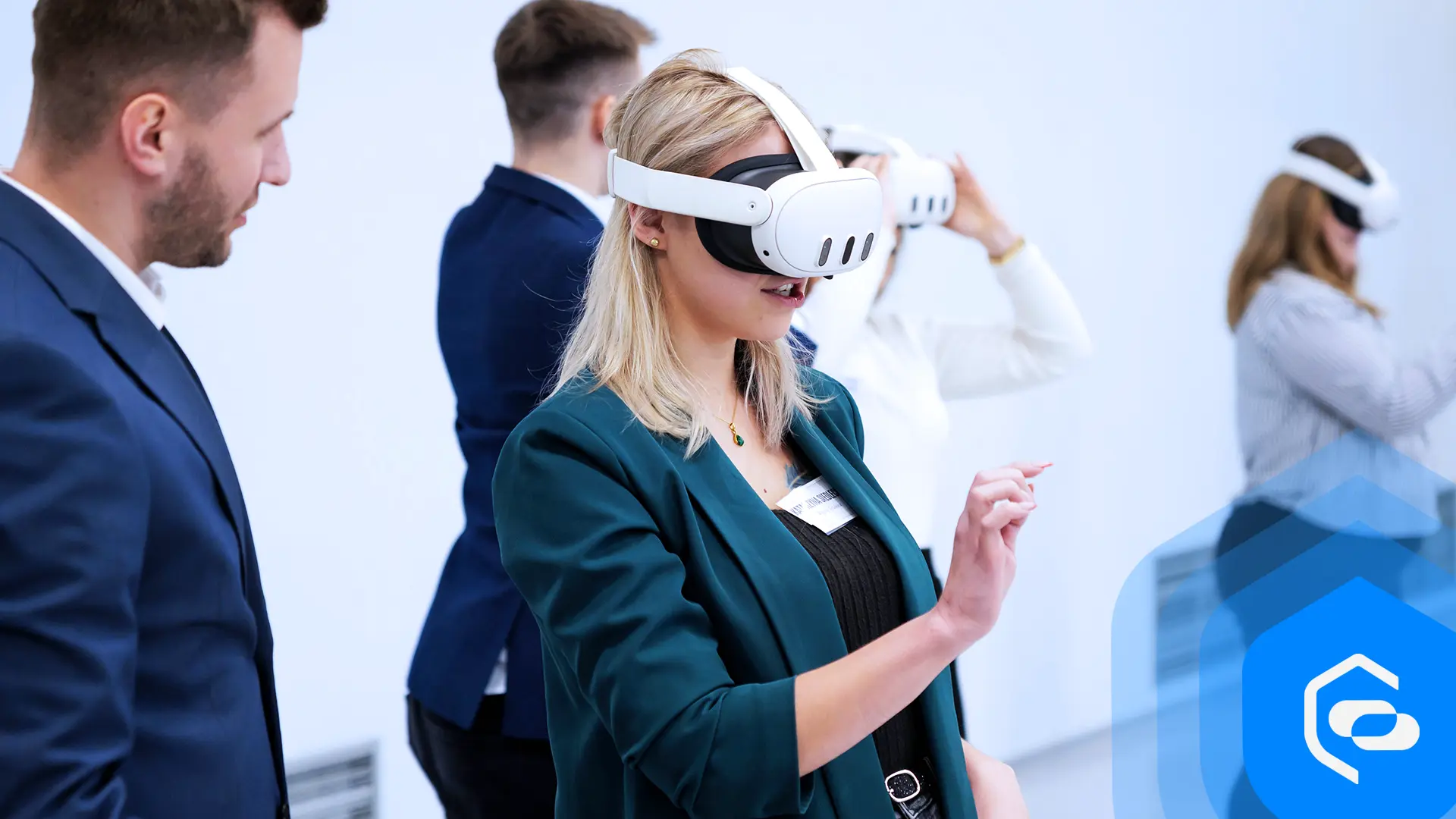
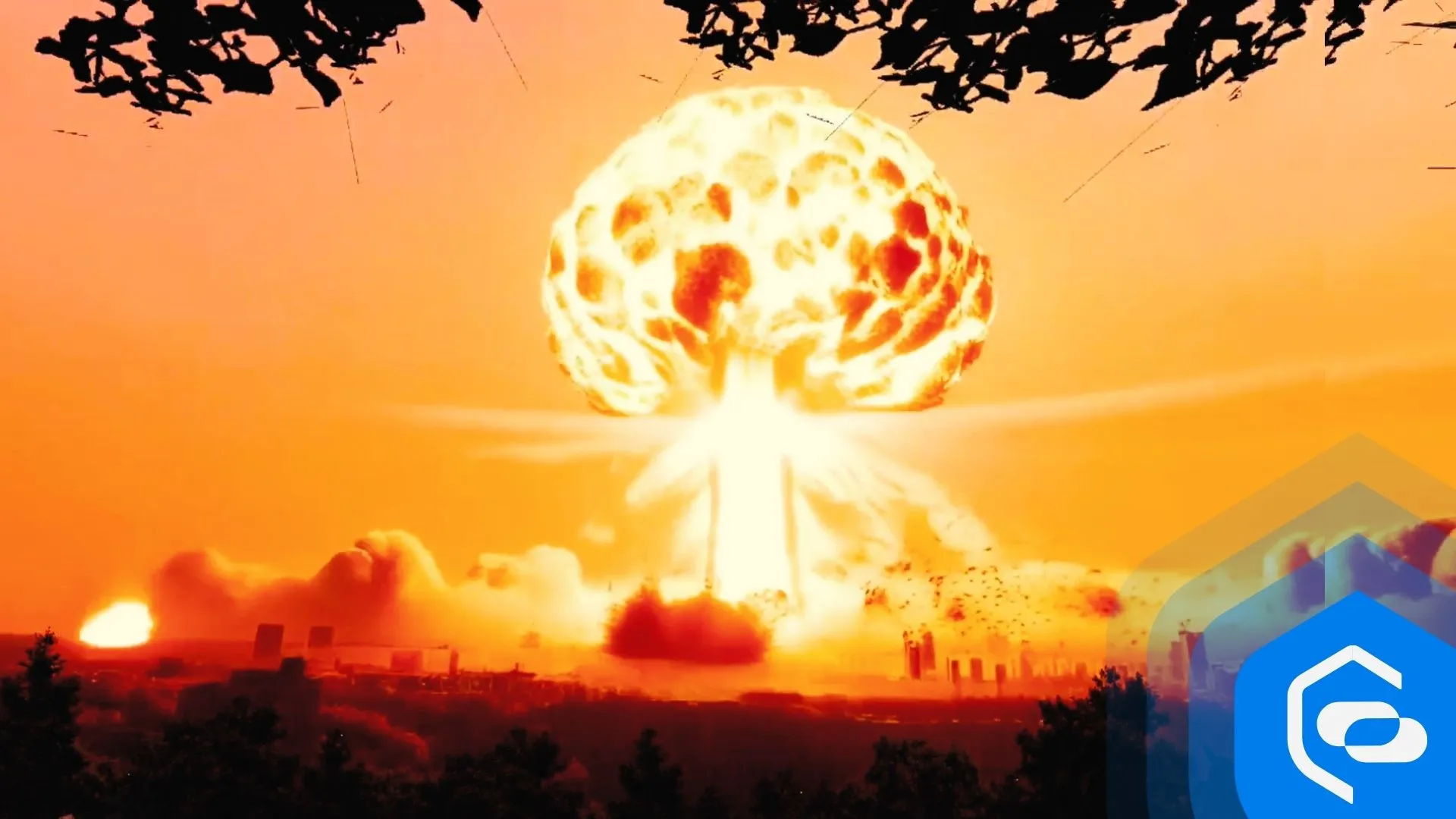
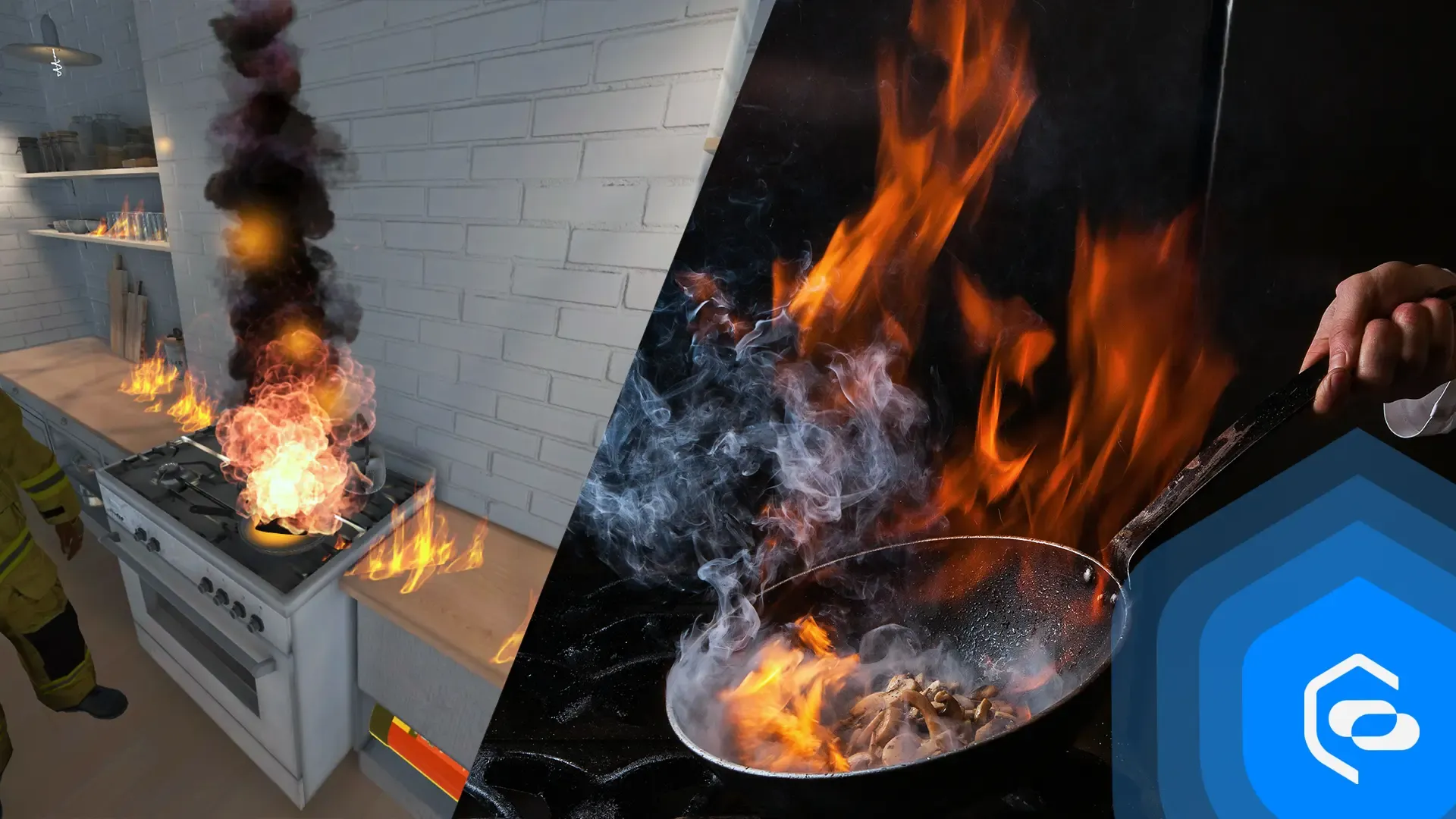
How VR solves this problem: VR applications simulate emergencies such as fires, workplace accidents or working at height in a fully immersive and controlled environment. Trainees practice responding to threats without any real risk, and their decisions change the course of the simulation. This supports learning by experience and improves response skills.
2. Low engagement and little interaction
In traditional courses, participants often listen to lectures or watch presentations that can be monotonous. Passive learning does not engage the learner, so less is remembered and the training is less effective.
How VR solves this problem: VR training is fully interactive. Participants are placed inside realistic scenarios where they make decisions and act in real time. This active involvement increases engagement and makes the training easier to remember.
3. No personalization
Traditional OHS training usually follows a fixed structure and does not adapt to the individual needs of participants. Employees with different levels of experience, or working in different industries, need training content tailored to them, which standard courses rarely provide.
How VR solves this problem: VR training can be personalized. With the help of artificial intelligence (AI), training scenarios can be adapted to each participant’s experience level and performance, so both beginners and experienced workers get exercises suited to their skills.
4. Too little repetition and practice
Without regular repetition and practice, employees may forget important safety rules or fail to react properly in a crisis. Traditional courses rarely give participants the chance to practice safety procedures again and again.
How VR solves this problem: VR allows unlimited repetition in a safe, simulated environment. Trainees can go through a scenario as many times as they need to build confidence and muscle memory, which leaves them better prepared for real situations.
5. Limited access to high-risk scenarios
In conventional training, access to simulations of dangerous situations is limited. Not every company has the resources or conditions to recreate an emergency in person.
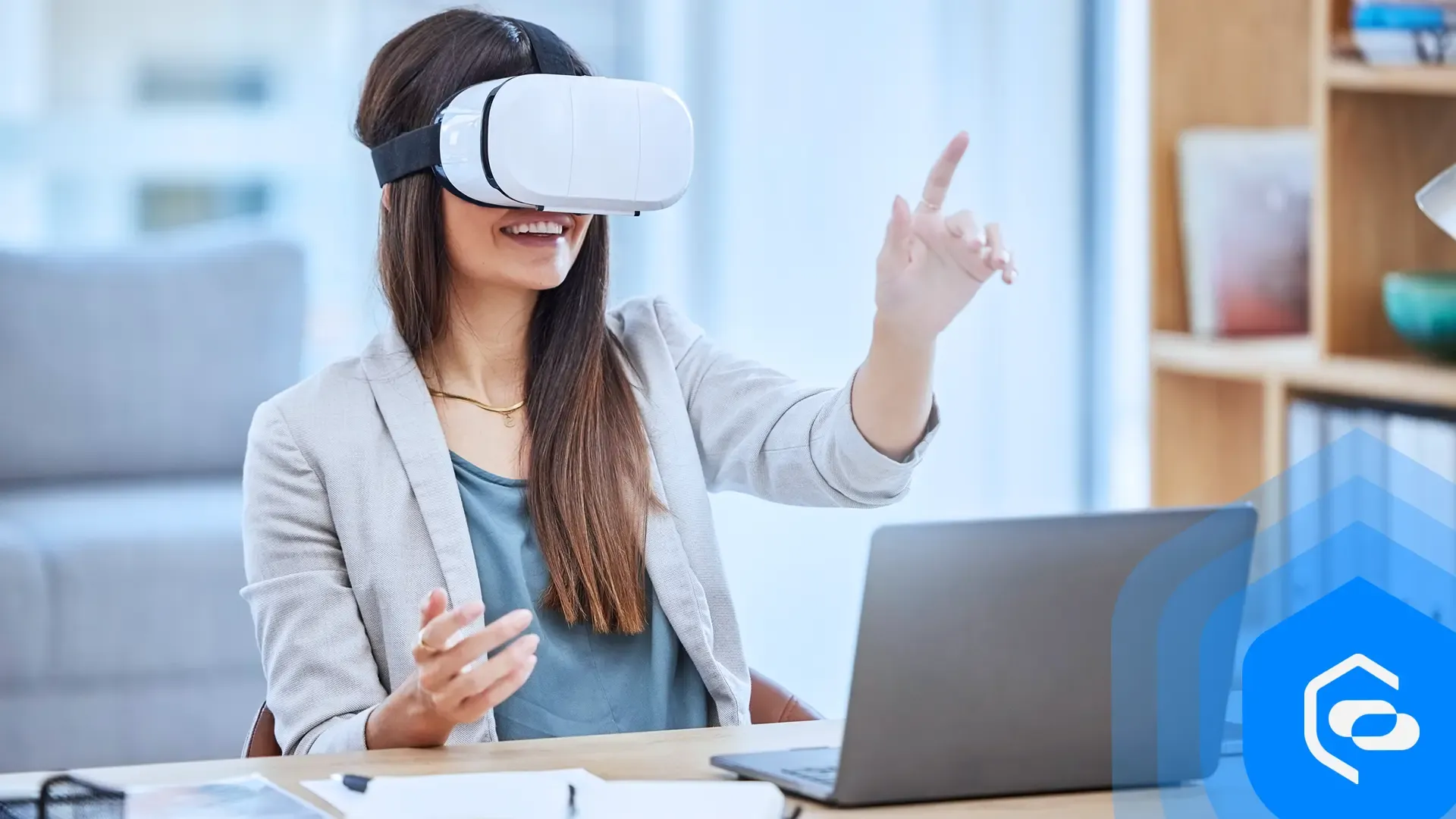
How VR solves this problem: VR makes realistic safety training possible at any time and in any place. Employees can practice responding to threats in immersive simulations, wherever they are. VR also covers high-risk scenarios such as fires, chemical leaks or first aid, which would otherwise be hard or unsafe to recreate.
Conclusion
Technologies such as VR, AR, AI and hand tracking are changing the way we approach occupational health and safety training. They make it possible to build engaging, realistic and personalized scenarios that improve learning outcomes and prepare employees for real hazards, without exposing them to any risk.
If your organization is looking for more effective training methods, virtual reality is worth exploring. At EHS VR, we support you at every step, from needs analysis to implementation, testing and beyond.
Get in touch to learn more, or try our VR applications in a free trial.
With your consent we use cookies and similar tools from Google and Meta to measure traffic and improve our ads, and we load the Pipedrive chat. You decide: the site works fully without them. Privacy policy
 Patryk Gawłowski