The automotive industry faces enormous challenges. Economic uncertainty, changing global supply chains, rising raw material costs and the pressure to move to electromobility are forcing companies to find ways to cut expenses and optimize processes. Uncertain future demand for cars and ever stricter regulations mean that every department has to find ways to work more efficiently and reduce costs.
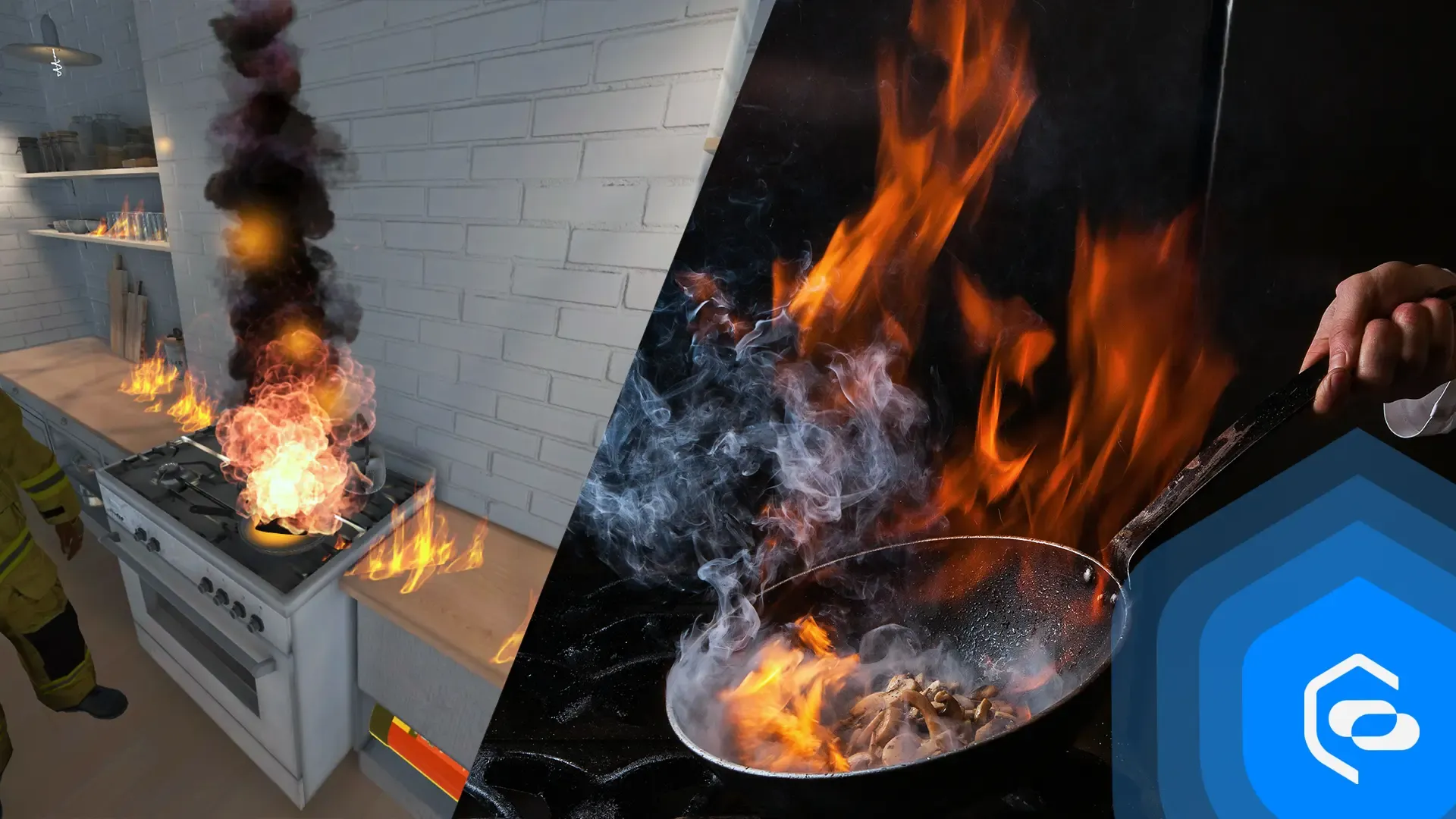
One area where significant savings are possible is training in occupational health and safety (OHS), fire safety and first aid. With outsourcing costs rising and production having to stop for training, VR applications offer a way to reduce expenses while making training more engaging and effective.
Challenges in the automotive industry and the role of VR in OHS training
Automotive companies must run regular OHS training, which is crucial for employee safety and regulatory compliance. Traditional training, however, requires significant spending on outsourcing companies and on organizing sessions, which means stopping work and generating extra costs. When every saving counts, VR lets companies run training more efficiently and cost-effectively.
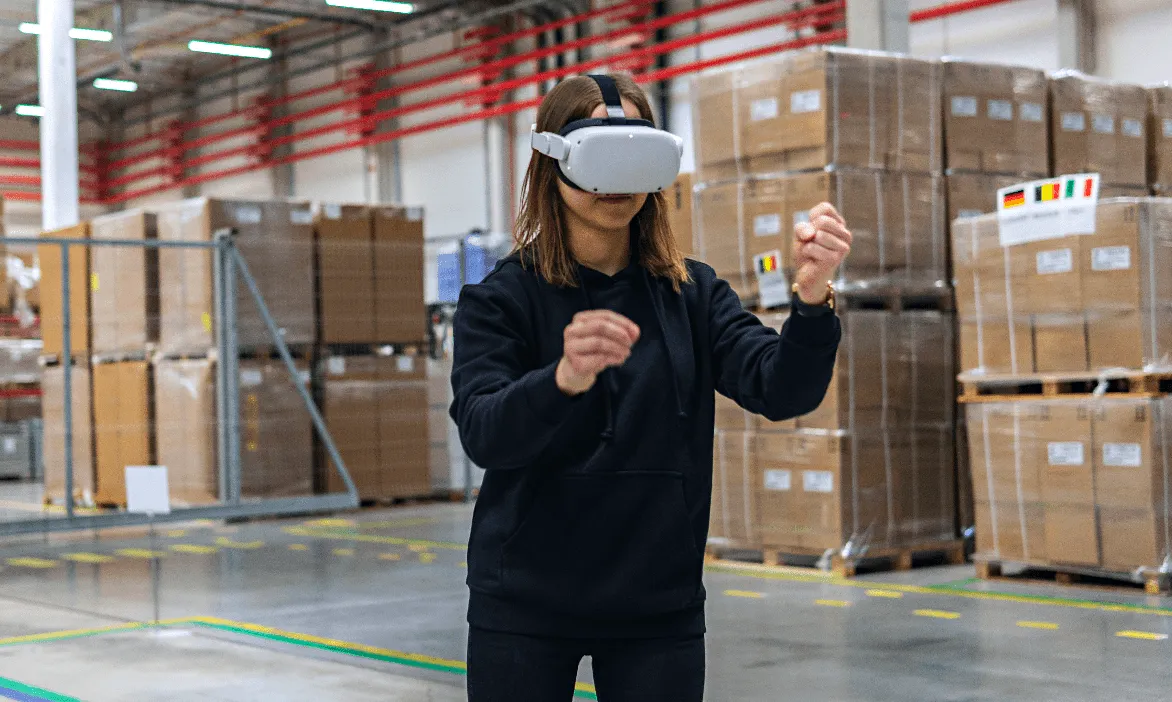
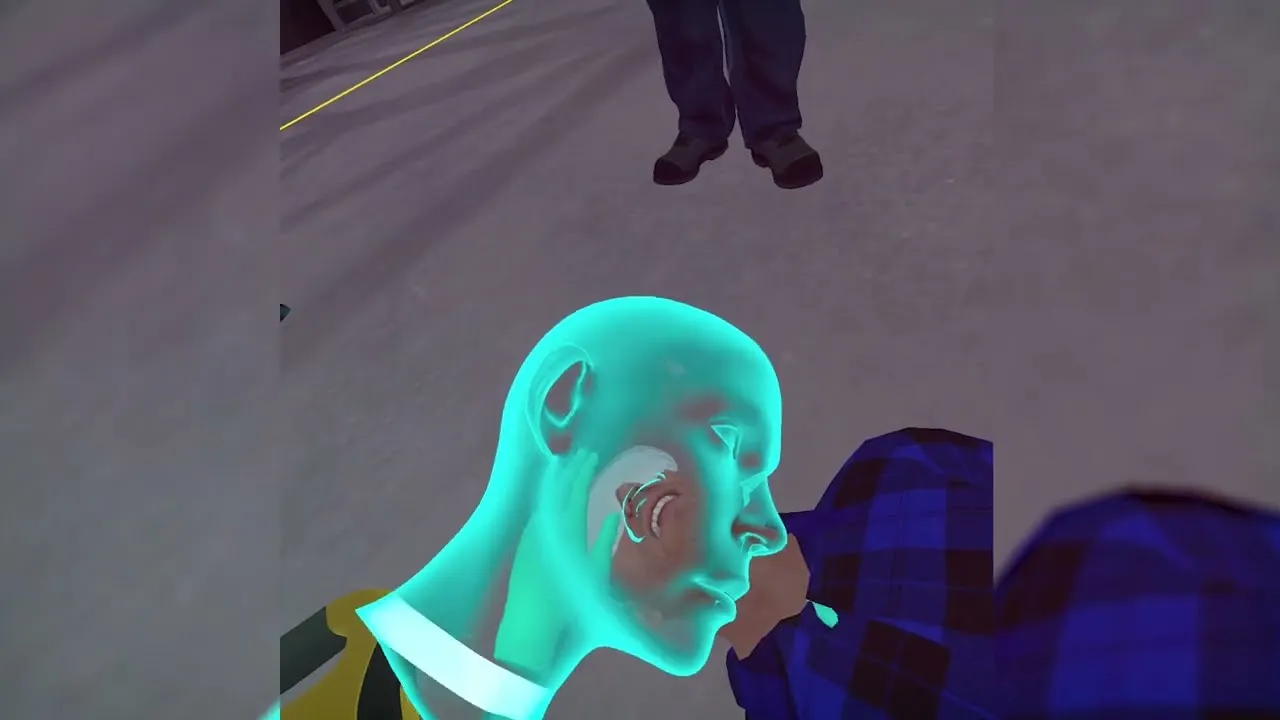
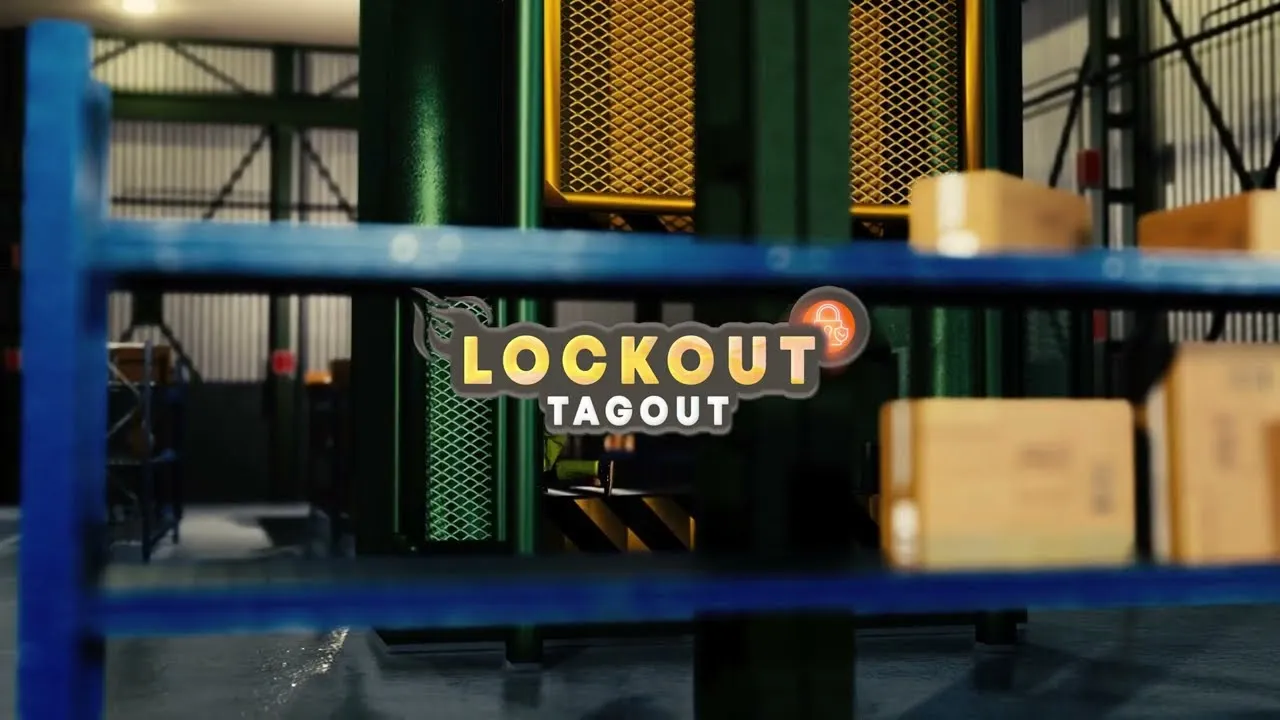
Our VR applications cover a wide range of training, including lockout/tagout, first aid in the factory, hazard identification, the 5S method and forklift operation. Companies can run essential training at any time without disrupting normal plant operations.
Key benefits of VR in OHS training
Lower outsourcing costs: with our VR applications, companies can stop outsourcing expensive OHS training. Safety officers can run the training themselves in a virtual environment, which significantly lowers costs.
Flexibility: training can take place at any time, without stopping production. The training is always available, so scheduling is fully flexible.
One price, unlimited possibilities: in traditional training, each group of employees needs a separate session, which adds cost. With VR, any number of employees can be trained within a single cost structure. Employees can be split into smaller groups and trained when they are available, without stopping production or disrupting operations.
Better focus and engagement: studies show that VR training leads to higher focus and engagement. The immersive environment provides realistic experiences, so participants learn faster and achieve better results.
Unlimited access to training: our applications give companies unlimited access to a range of training at a fixed price. This allows continuous employee training without extra costs, which is invaluable in a fast-changing production environment.
VR in other industries
Our VR solutions are used not only in the automotive industry. Whatever the industry, VR can significantly reduce operating costs and improve training quality. We are ready to tailor solutions to the specific needs and challenges of each organization.
Using VR for OHS, fire safety and first aid training is not just a way to reduce costs: it is also an investment in employee safety and operational efficiency. When every saving matters, a new approach to training can bring measurable benefits.
With your consent we use cookies and similar tools from Google and Meta to measure traffic and improve our ads, and we load the Pipedrive chat. You decide: the site works fully without them. Privacy policy
 Natalia Kiełczykowska