Traditional vs. VR Training in Occupational Health and Safety: What to Choose?
Artur Kamiński3 min read
Why effective safety training matters
Occupational health and safety (OHS) training is crucial for a safe work environment. Its purpose is to give employees the knowledge and skills they need to handle hazardous situations safely. As industries change, the way this training is delivered must change too, so that it stays effective and engaging.
Traditional OHS training methods, such as lectures and safety videos, are essential, but they often fail to engage employees or to simulate real emergencies. This is where virtual reality (VR) comes in and changes the way safety training is delivered.
Traditional OHS training: necessary but limited
Traditional OHS training has long been the standard, and it is still necessary to pass on essential safety information. However, it often relies on passive learning, which can mean low engagement and poor retention of critical safety information. It also rarely gives employees a chance to experience real emergency scenarios.
In today’s fast-paced workplaces, it is worth using every available tool to make safety training effective. This can include new technologies such as VR, which give employees hands-on, immersive experience.
Virtual reality: the future of OHS training
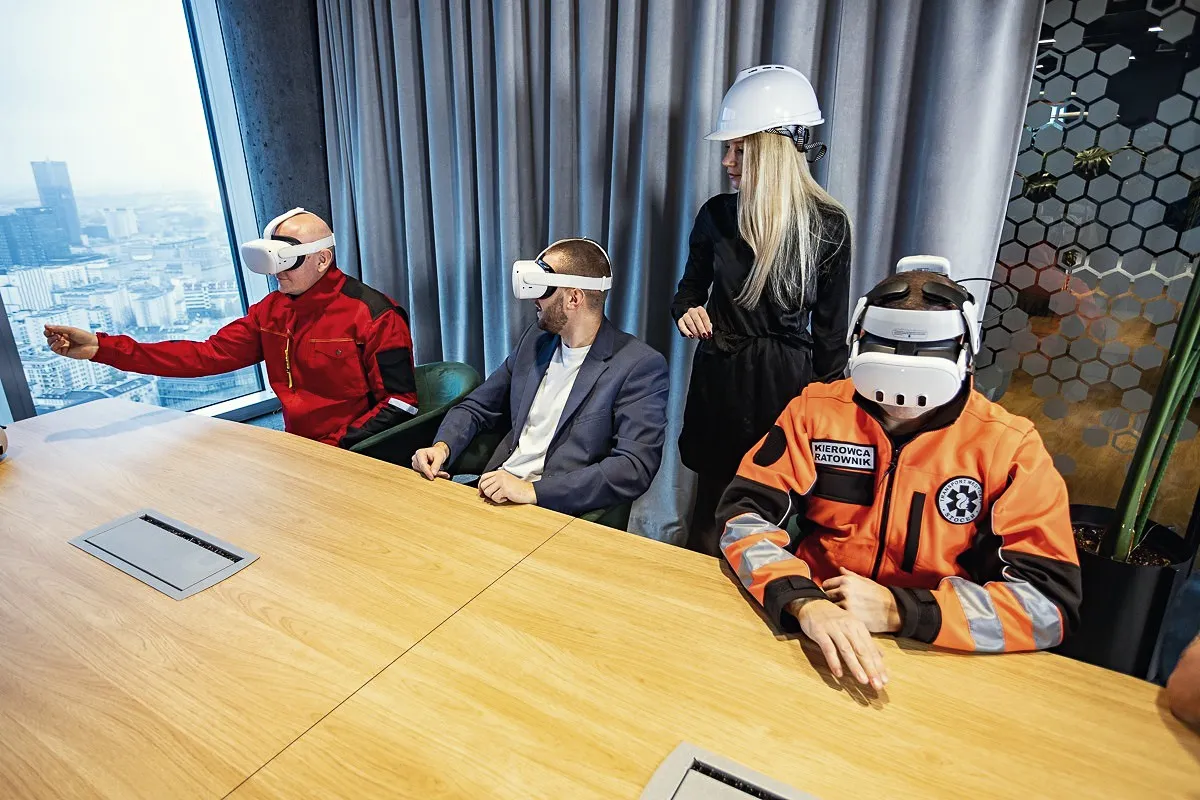
Virtual reality is becoming a powerful tool for safety training. Employees enter virtual environments where they experience realistic safety scenarios without the risks of live training. VR can simulate critical emergencies, such as fire evacuations, chemical spills and first aid situations, so employees can practice them in a safe, controlled environment.
Benefits of VR in OHS training
More engagement: VR training is interactive, so employees take part more actively and pay more attention.
Realistic scenarios: employees experience lifelike situations that are difficult or impossible to recreate in traditional training.
Flexibility: training can take place at any time and in any place, which makes it convenient and accessible.
Safety: workers practice hazardous scenarios without the risks of live emergency drills.
Research on VR in safety training
Studies show that VR-based training can significantly improve the effectiveness of OHS education. Research by the National Safety Council (NSC) found that VR training improves memory retention and speeds up learning in high-risk scenarios, which leads to better preparedness and quicker reactions in real situations.
Studies by Stanford University have also shown that VR helps employees understand safety protocols better and gain experience in emergency response, which makes it a valuable tool for improving workplace safety.
Why VR should be part of your OHS training strategy
Traditional training methods remain necessary, but adding VR to your OHS training strategy gives employees a dynamic, immersive learning experience that traditional methods cannot offer. That is why VR is becoming an essential tool for more effective training and safer employees.
Conclusion
Virtual reality gives employees an engaging, effective and safe way to experience hazardous situations and practice their reactions. By adding VR to your training programs, you can help your workforce feel better prepared and more confident in an emergency.
With your consent we use cookies and similar tools from Google and Meta to measure traffic and improve our ads, and we load the Pipedrive chat. You decide: the site works fully without them. Privacy policy
 Artur Kamiński