Which OHS Scenarios Can You Run in VR? A Practical Approach to Training
Natalia Kiełczykowska4 min read
Virtual reality (VR) is changing occupational health and safety (OHS) training. Employees no longer just listen to instructions or watch presentations: they take an active part in scenarios they could face in real life. This hands-on learning prepares workers better for crisis situations. So which scenarios can you run in VR, and why is the technology becoming standard in modern companies?
What types of training can you run in VR?
One of VR’s biggest advantages is that it can simulate almost any kind of training. From first aid and evacuation drills to complex industrial procedures, everything can be practiced in a virtual environment, with no risk and with the option to repeat the scenario many times.
First aid: more than theory
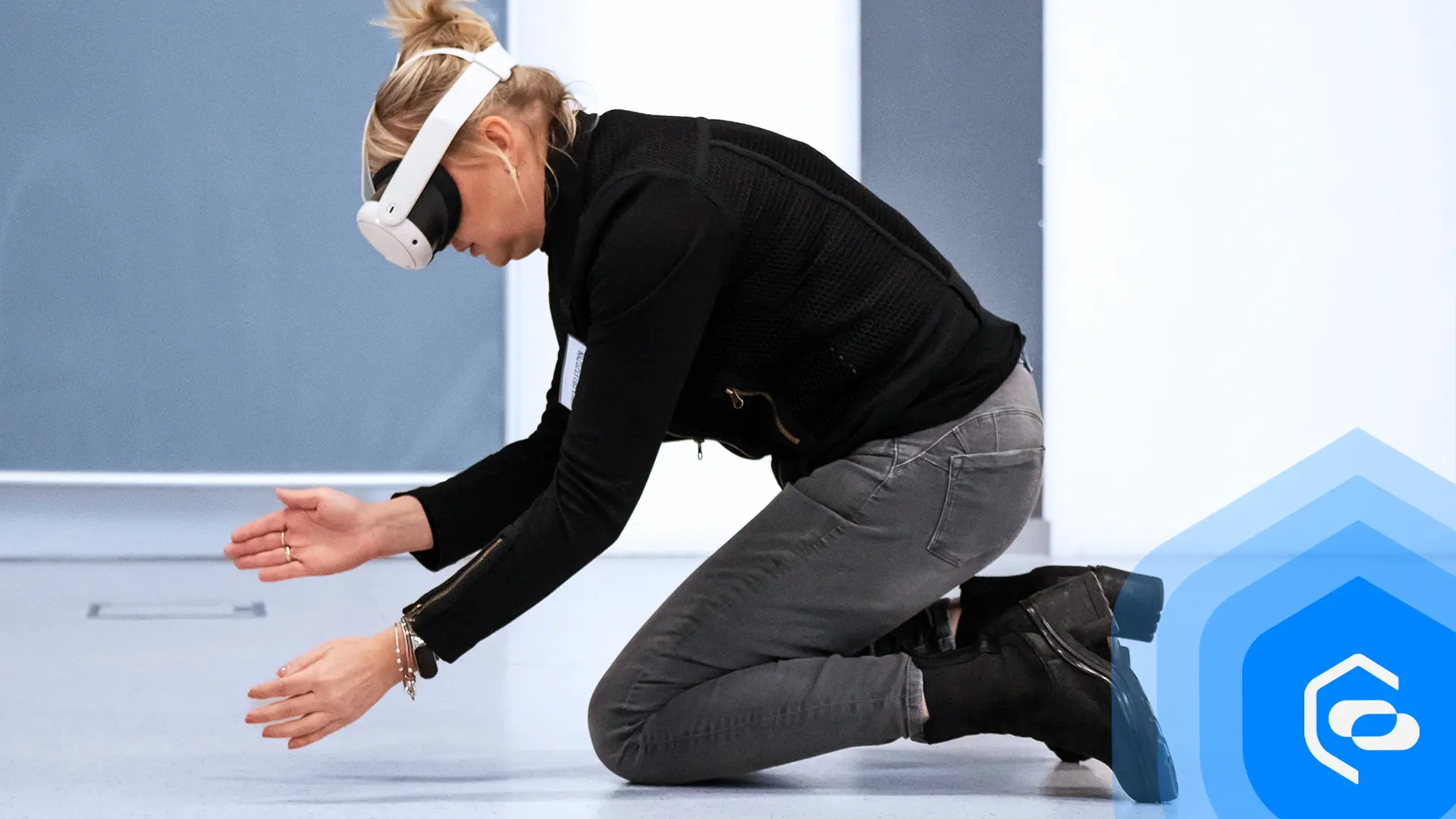
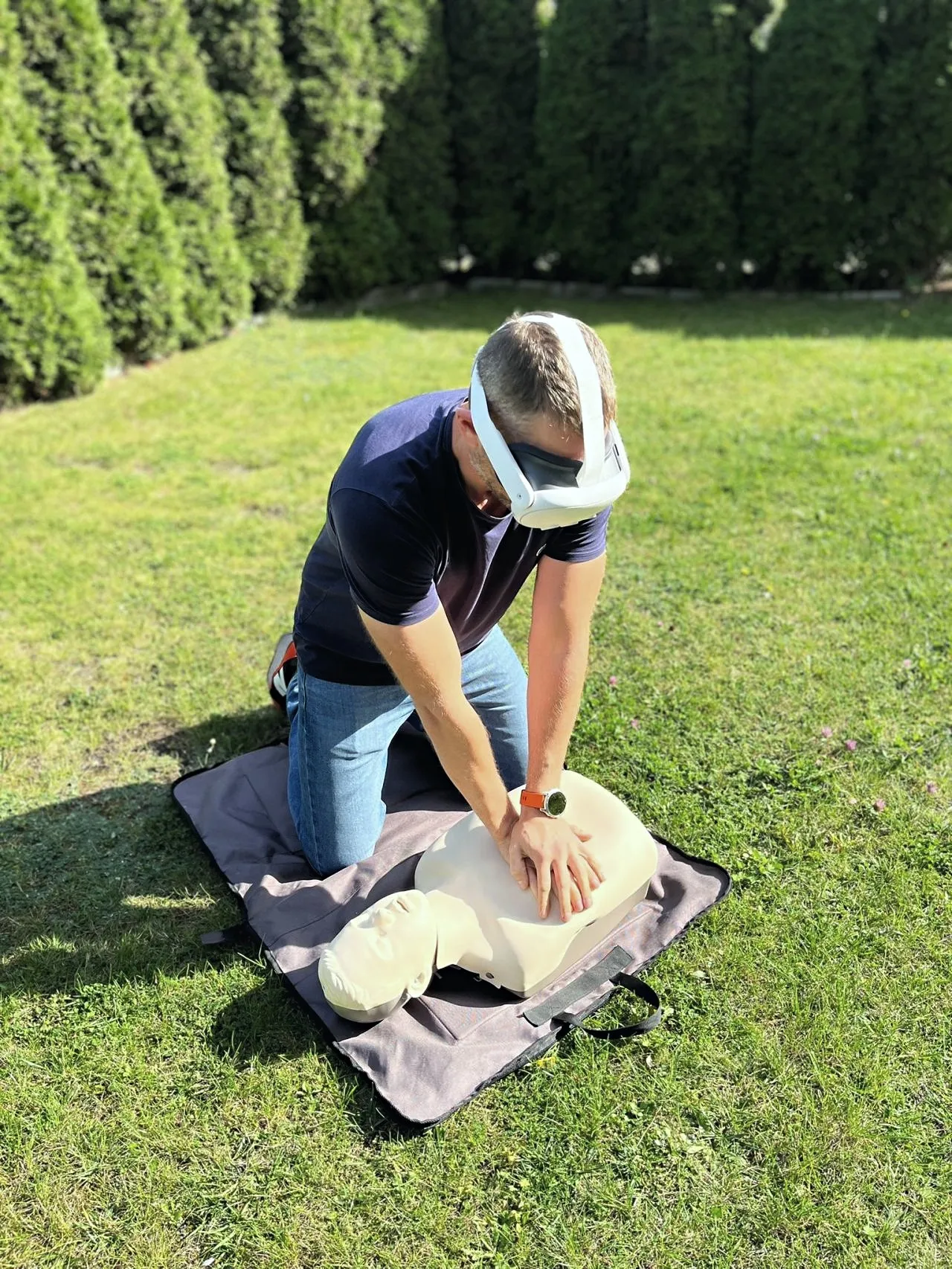
Traditional first aid training often consists of a lecture followed by a single demonstration. In VR, employees actually save lives: they kneel next to a casualty, perform chest compressions, use an AED or apply a tourniquet. This hands-on approach helps them remember and builds confidence. The first aid scenarios include:
CPR (cardiopulmonary resuscitation): realistic practice of chest compressions and rescue breaths.
Wound dressing: interactive instructions on applying dressings and bandages correctly.
AED use: practicing every step of using a defibrillator.
Fire safety training: responding under pressure
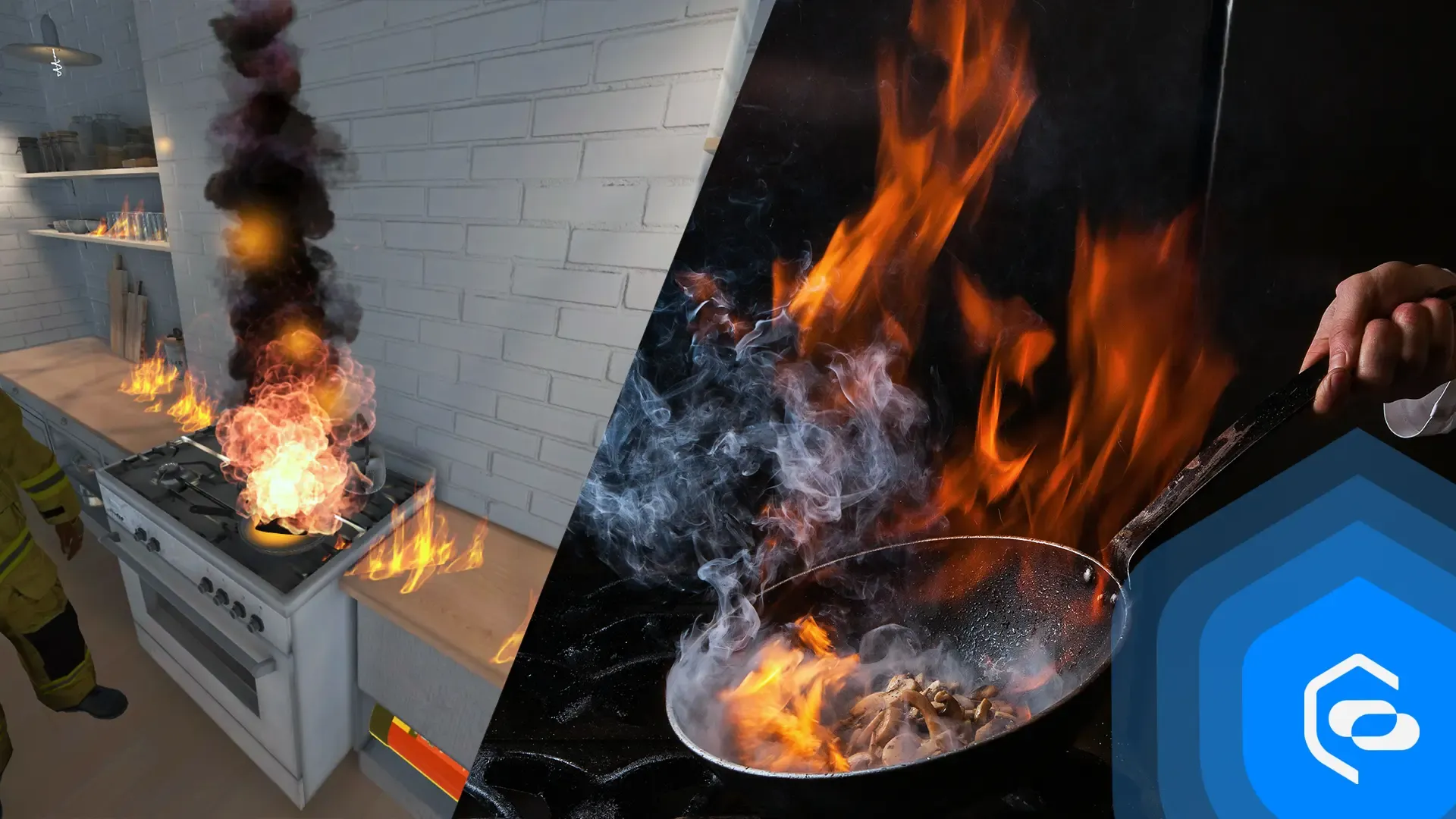
A fire requires a quick and decisive response, and stress can be paralyzing. VR lets employees practice fire scenarios in a safe environment, so they remember procedures better and learn to stay calm under pressure. The fire safety scenarios include:
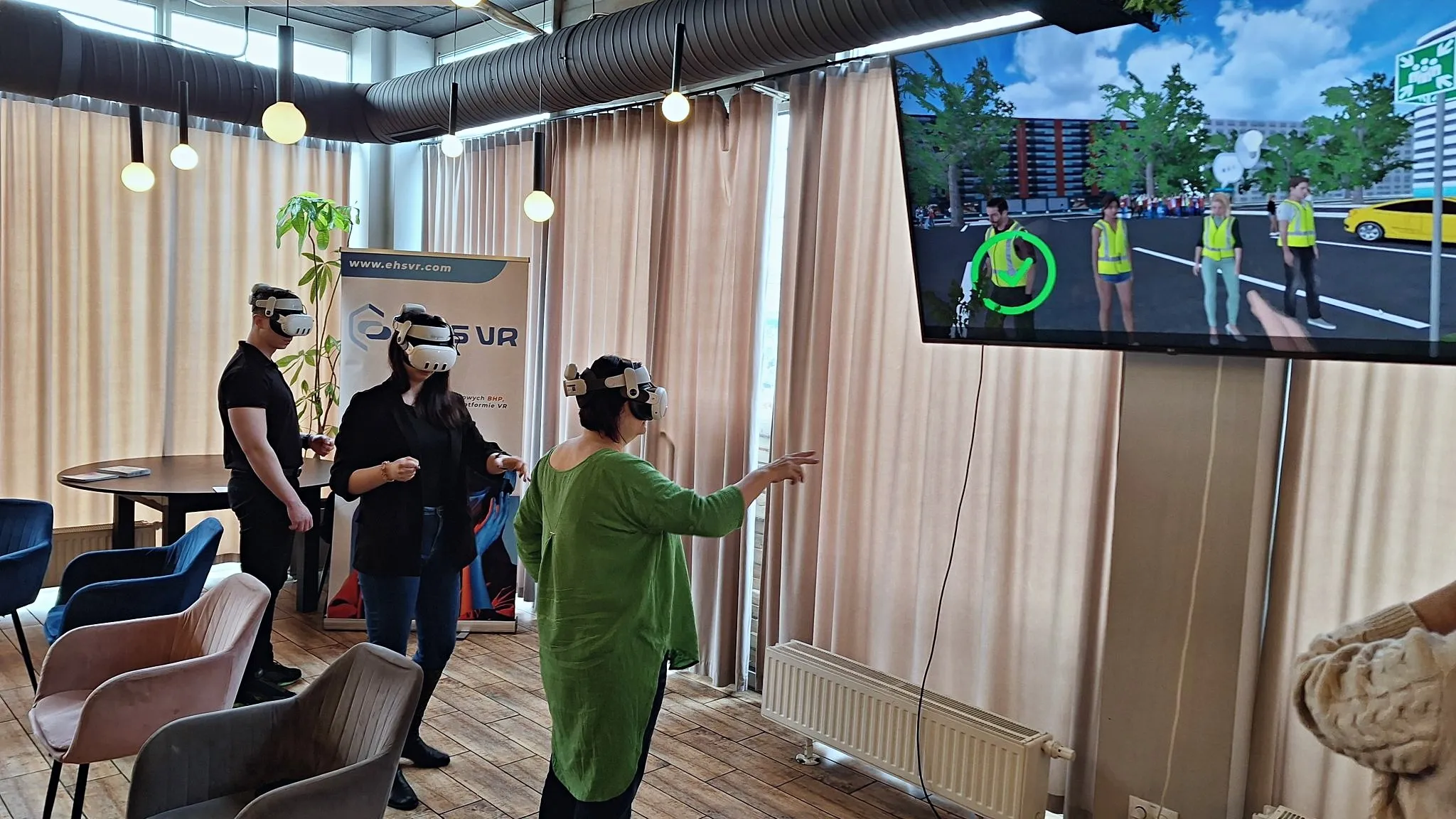
Evacuation: virtual simulations that build the habit of leaving a building quickly and safely.
Fire extinguisher use: hands-on training with different types of fire extinguishers.
Fire hose reel use: training in using the building’s firefighting equipment (see Fire Hose Reel VR Training).
Carbon monoxide: a scenario on recognizing and responding to carbon monoxide hazards.
Jump cushion: a simulation of an emergency escape from height onto a rescue jump cushion (see Jump Cushion VR Training).
Specialist training: safety in every industry
Some jobs require particularly detailed and demanding safety training. VR can recreate work environments and key procedures, so employees can train safely before they work in real conditions. Examples include:
Forklift operation: practicing maneuvering and following safety procedures when driving a forklift.
Lockout/tagout (LOTO): procedures for making sure machinery is safely locked out before maintenance.
5S training: organizing workstations according to the principles of workplace organization.
Chemical spill response: training for dealing with dangerous chemicals and substances.
Working at height: training in securing equipment, responding to falls and evacuation.
Ergonomics: the right posture and workstation setup to prevent injuries and strain.
VR can also be used for onboarding and refresher training, helping new employees settle in quickly and keeping skills up to date.
Why VR is the future of OHS training
VR-based training improves learning outcomes and changes the way companies approach employee training. What are the benefits?
1. Learning by doing
VR combines theory and practice in a way that helps people remember. Studies show that VR training leads to up to 75% better information retention than traditional methods.
2. A high level of realism
VR environments are realistic simulations of real workplaces, and the equipment in the training scenarios is modeled on real tools and machinery. Employees learn to use the devices they will encounter on the job.
3. Natural movements, no controllers needed
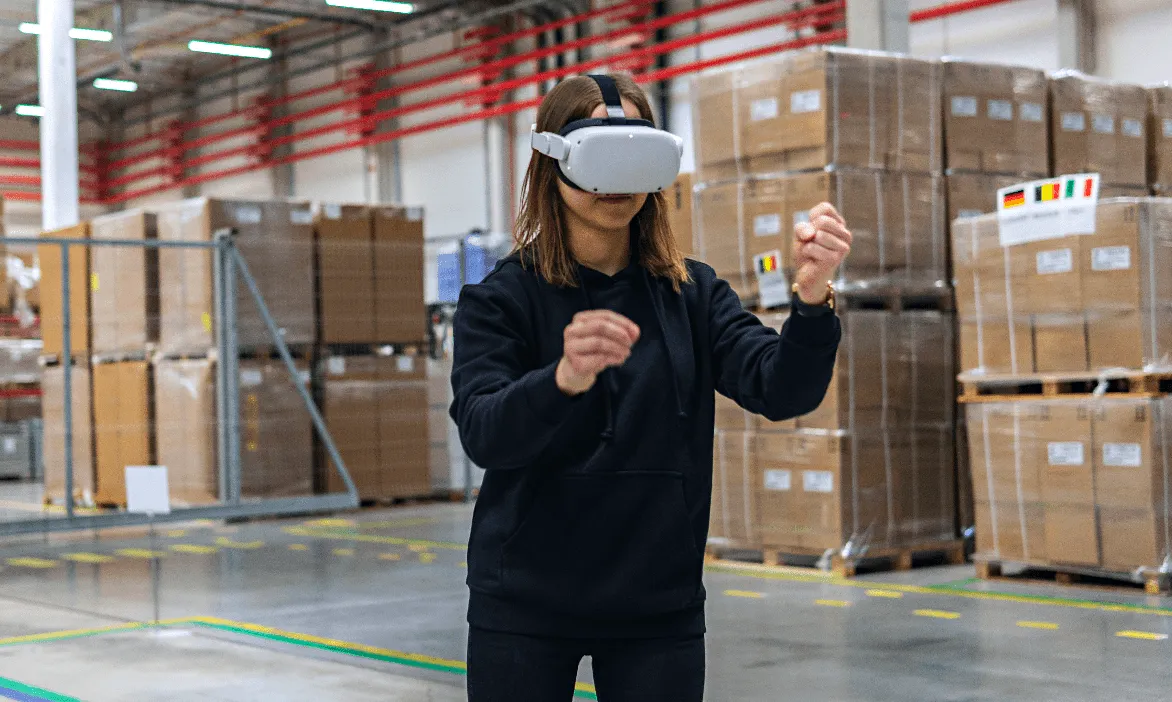
Our applications use hand tracking, so participants perform tasks intuitively, just as they would in real life.
4. Training available any time, anywhere
VR training can take place anywhere and at any time, which is particularly useful for companies with high employee turnover or several locations.
5. Custom scenarios
We can create tailored training programs for your company’s needs. If you have specialist procedures or equipment, we can design a custom VR application for you.
6. Safe skill testing
VR makes it possible to simulate hazardous situations without any real risk. Employees can make mistakes, analyze them and try again, which builds their confidence for real emergencies.
Conclusion
VR training lets employees learn faster, more effectively and safely, and gives companies better-prepared workers. The ability to simulate scenarios, create interactive environments and replicate procedures realistically makes VR both efficient and engaging.
With your consent we use cookies and similar tools from Google and Meta to measure traffic and improve our ads, and we load the Pipedrive chat. You decide: the site works fully without them. Privacy policy
 Natalia Kiełczykowska