First aid
BLS & AED in the Factory
BLS & AED in VR - life-saving response to emergencies at the factory.
Lead a life-saving team in VR - CPR & AED at the subway station.
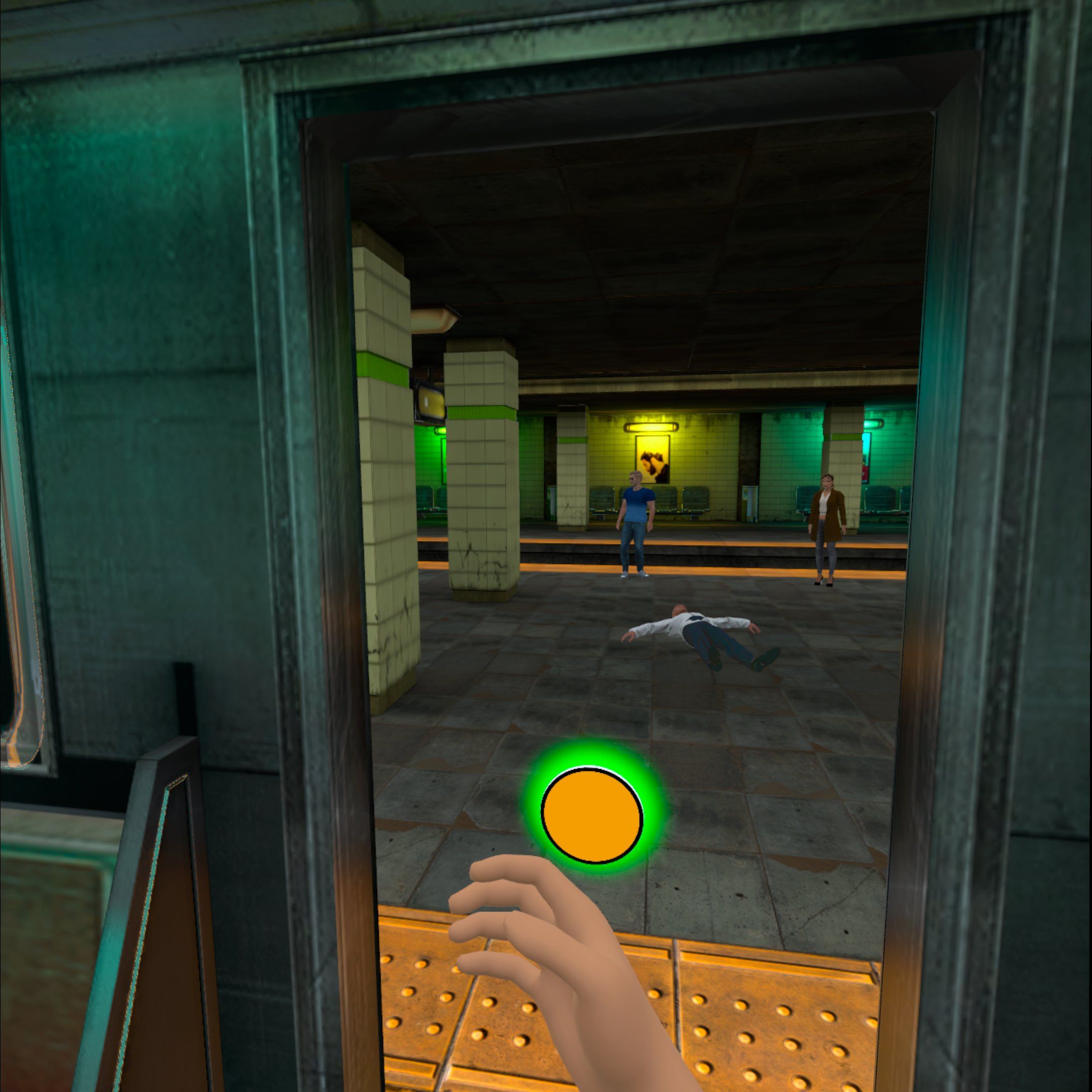
BLS & AED in the Subway VR Training immerses participants in a cardiac arrest emergency set in a busy subway station. Your mission is to perform CPR and use an AED according to European standards, while also coordinating with bystanders present on the scene.
This unique module develops leadership and communication skills by allowing you to give commands to virtual bystanders through speech recognition. You practice delegating tasks, such as calling emergency services, bringing the AED or helping with CPR, so that you are ready to manage a real emergency.
Fully compatible with any CPR training manikin, the app combines realistic resuscitation practice with interactive team management, reinforcing both medical and coordination skills.
The goal of the training is for participants to acquire knowledge and practical skills in Basic Life Support (BLS) and the use of an Automated External Defibrillator (AED) in the context of emergency situations in public spaces. The training follows the 2021 ERC guidelines, with a focus on early recognition of cardiac arrest, immediate initiation of cardiopulmonary resuscitation (CPR), and early use of an AED, which significantly improves survival rates. The training aims to increase awareness of the variety of emergency situations in different public environments, such as metro stations, train stations, and other high-traffic areas, and to enable participants to respond effectively in stressful conditions.
This training is dedicated to:
Part I – Introduction (15 minutes)
Introduction led by the trainer before starting the VR simulation:
Part II – Practical Exercises using the VR Application (10 minutes)
Simulation of an emergency in a public space, carried out in the VR headset:
Part III: Summary and Evaluation (10 minutes)
The training combines theoretical and practical elements using modern VR technology, allowing for realistic simulation of emergency situations and effective skill acquisition in a safe environment.
“The implementation of the EHS VR occupational health and safety application at CANAL+ Polska S.A. has garnered tremendous interest among employees. Training participants emphasize that the innovative approach has made the sessions not only more attractive but also engaging and interactive. Modern tools allowed for a realistic simulation of scenarios, significantly enhancing the effectiveness of learning safety principles. I am delighted with the positive reception and eagerly look forward to new applications that will enrich our training programs and elevate them to an even higher level.”
BLS & AED in VR - life-saving response to emergencies at the factory.

AI-powered VR first aid - realistic training with interactive interviews.
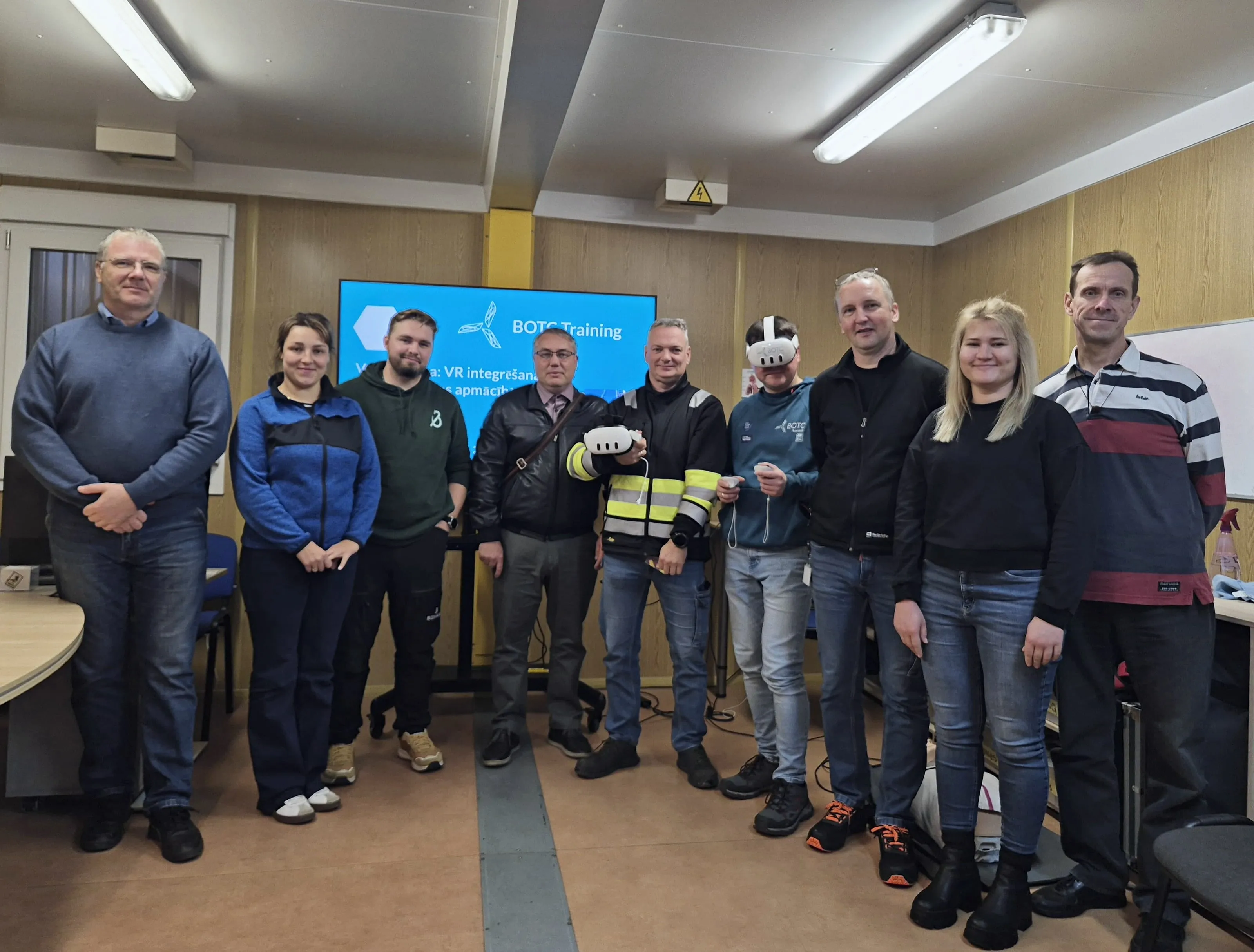
What safety specialists from 30 companies learned at a BOTC VR workshop: short modules, high-risk training, local languages.
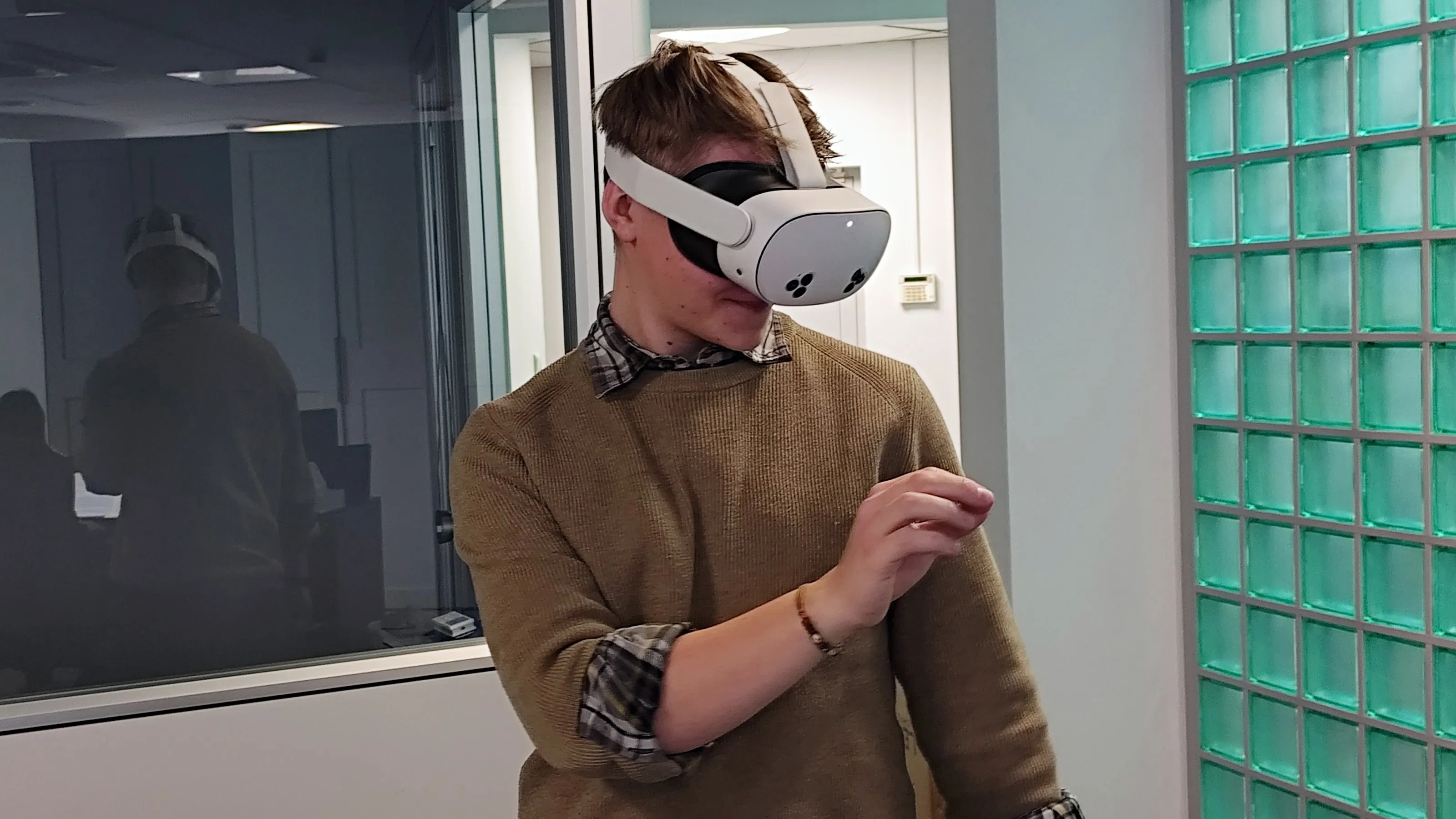
Initial OHS training that keeps quality consistent, engages new employees and documents results.
Periodic OHS refresher training that engages employees, can run at any time and documents results.
We send you a headset with all the apps. You test for 5 business days, and we cover shipping both ways.
Get a test headsetInstall in a few minutes and test all the apps for 7 days. No card, no commitment.
Test on my headsets30 minutes online: we show you scenarios for your industry and answer your questions about rollout.
Book a call