VR in HSE: Training Impossible Procedures to Save Lives
Artur Kamiński3 min read
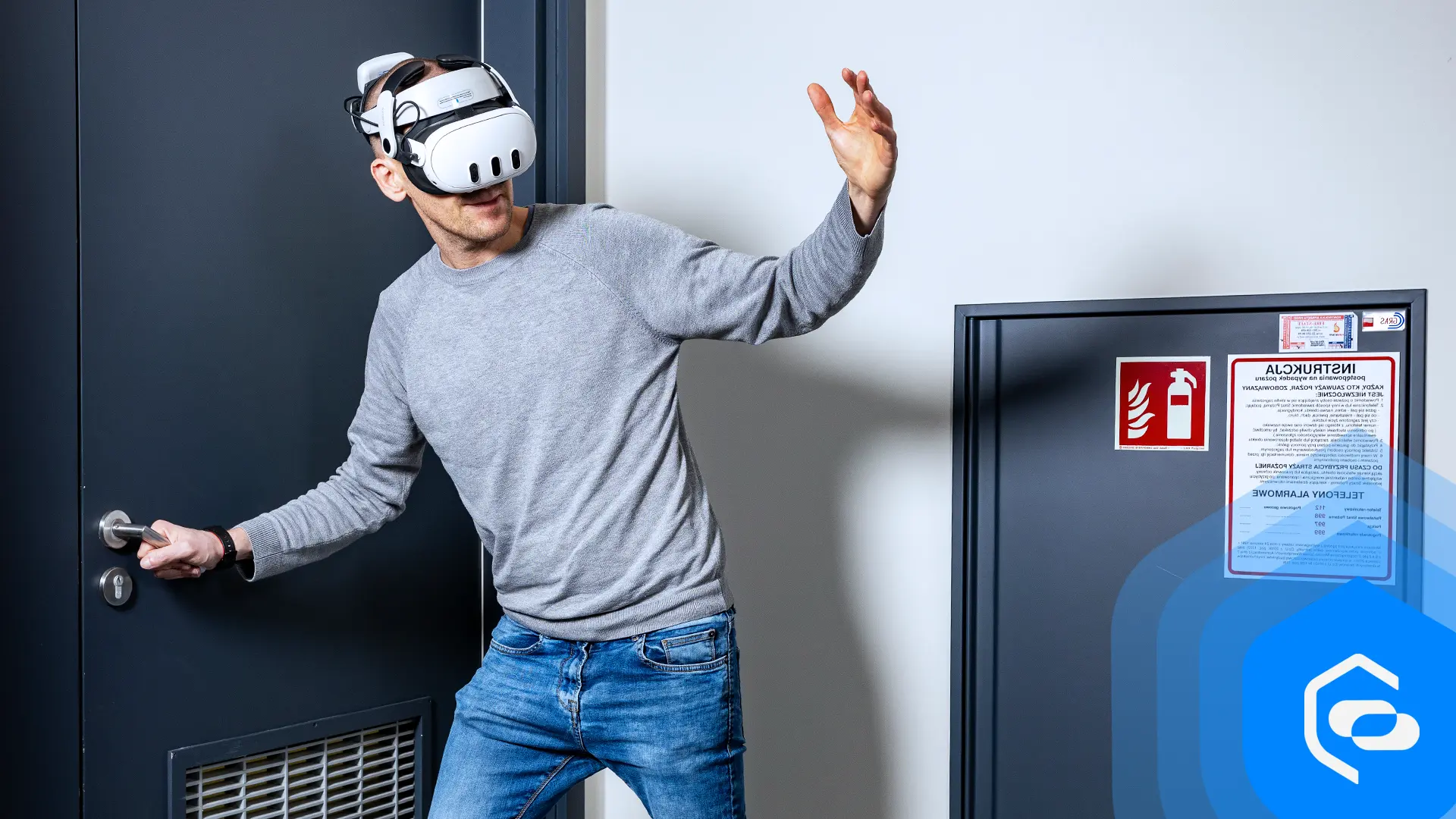
Technologies such as VR are increasingly used in HSE (health, safety and environment), changing the way training is delivered. With virtual reality, companies can let employees practice procedures that would be too risky, too costly or even impossible to carry out in real life. From jumping onto a firefighter’s jump cushion and evacuating passengers from a train to removing hazardous materials, VR opens up new possibilities for preparing employees for extreme situations.
What cannot be practiced in reality, but can be in VR?
1. Jumping onto a firefighter’s jump cushion
Training with a firefighter’s jump cushion is one of the most demanding procedures, and it used to involve real risk and cost. Training jumps of this kind are no longer allowed in Poland for safety reasons. Virtual reality makes it possible to practice this dangerous procedure in a safe virtual environment.
In VR, participants can practice jumping onto a jump cushion and other scenarios that would be difficult, expensive or impossible to carry out in real life. Firefighters and other emergency responders can refine their skills without any risk, learning the correct procedures and reactions for a crisis. See the Jump Cushion VR Training application.
More and more organizations are turning to VR for training, not only in the emergency services but also in other industries, to make training more efficient and their employees safer. VR offers realistic training conditions that used to be available only in specialized, expensive centers.
2. Evacuation from height
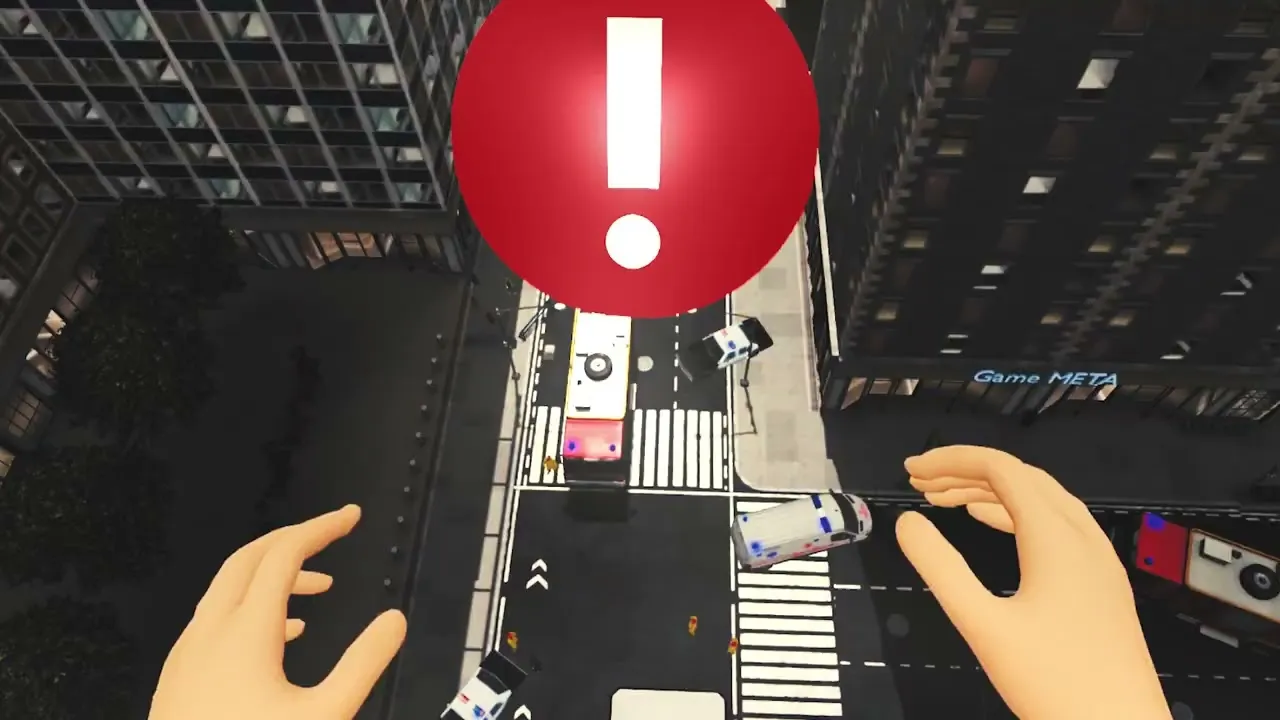
Evacuation from height, especially from tall buildings during a fire or other emergency, is extremely difficult to train in real conditions. It requires specialist equipment and often involves many people. With VR, employees go through realistic evacuation scenarios and learn the correct techniques and procedures that could save lives in an emergency. See the Evacuation With Aerial Ladder VR Training application.
3. Train fire and passenger evacuation
A fire on a train is one of the most stressful scenarios and requires a fast, accurate response. A VR simulation lets railway staff and emergency personnel practice evacuating passengers in a stressful environment without putting anyone at risk. Training like this in real life is expensive, and VR offers a safe way to rehearse these life-saving actions. See the Train Fire VR Training application.
4. Firefighting and emergency procedures
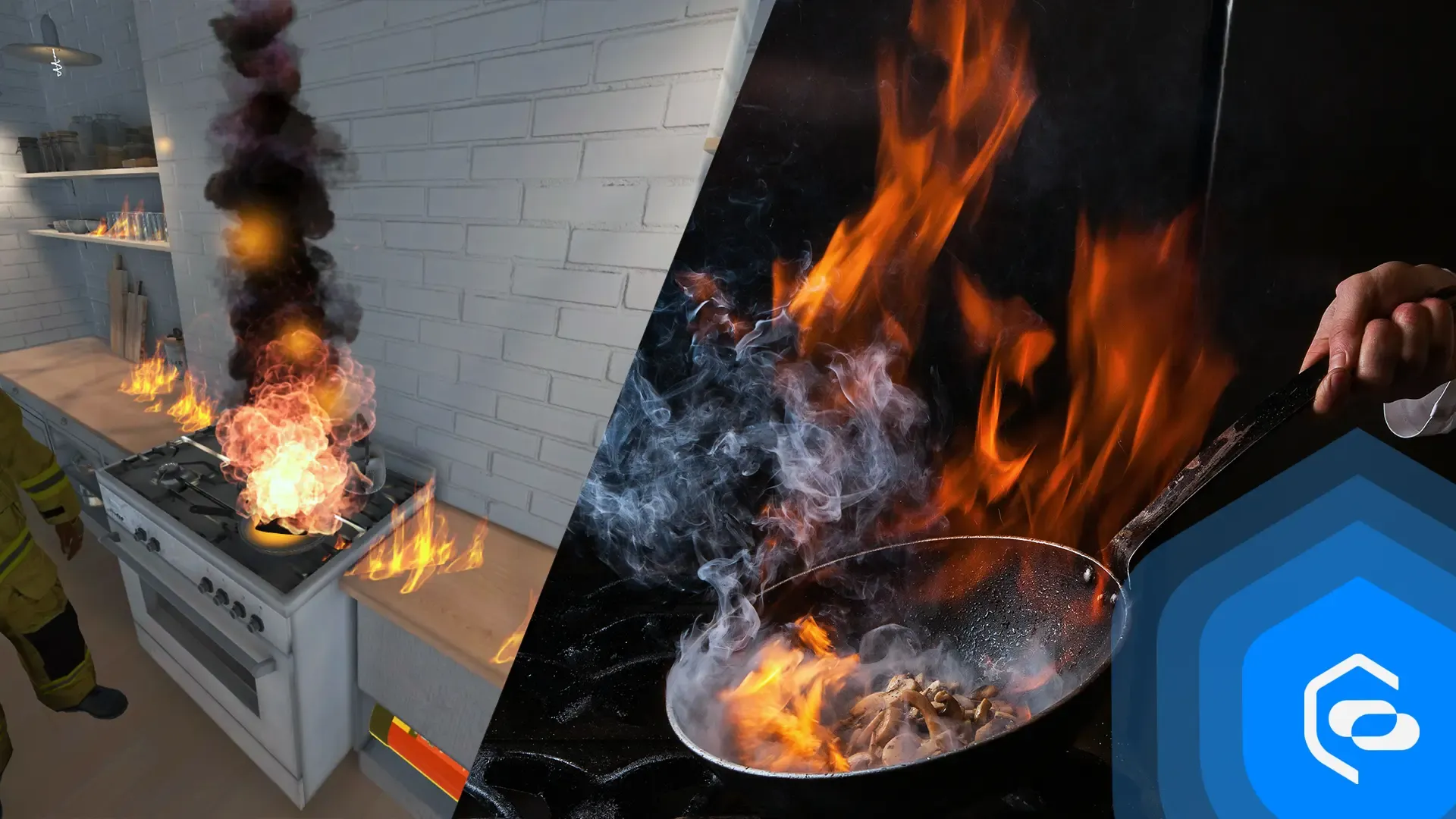
Firefighting training at work often involves high costs, risks and specialist resources. VR creates realistic fire scenarios in which employees practice effective firefighting techniques in different conditions, from a small office fire to a large blaze in a hazardous materials warehouse.
5. Hazardous material removal
Hazardous materials are a danger in many industries, including chemicals, pharmaceuticals and manufacturing. Real-life training with these substances is dangerous and costly. In VR, employees can simulate hazardous material incidents and practice safe, efficient removal procedures without any risk to their health. See the Chemical Spill Response VR Training application.
Jump Cushion VR TrainingYouTube
VR in HSE training: growing popularity across industries
More and more companies around the world use VR for HSE training, in sectors such as manufacturing, transport, energy and healthcare. Some examples:
Volkswagen introduced VR training for workplace safety, letting employees simulate emergencies in a virtual environment.
Shell uses VR to train employees in safety procedures and emergency response, such as oil spills and fires.
Walmart introduced VR training for safety procedures in its stores and for customer service.
UPS uses VR to train employees in emergency evacuation procedures, both in warehouses and in vehicles.
Conclusion
Virtual reality gives HSE training possibilities that real-life drills cannot. Training can take place in extreme conditions that would be impossible to recreate in reality. Employees practice demanding procedures, such as evacuation from height, firefighting and hazardous material removal, in a safe and controlled virtual environment. This makes training more effective and gives employees better protection in an emergency. More and more companies see these benefits and turn to VR to make sure their employees are prepared for the hazards they may face.
With your consent we use cookies and similar tools from Google and Meta to measure traffic and improve our ads, and we load the Pipedrive chat. You decide: the site works fully without them. Privacy policy
 Artur Kamiński