Fire on a Train? Koleje Mazowieckie Trains Virtually: Case Study
Artur Kamiński4 min read
Evacuation in case of fire on a train: challenges and modern solutions
Polish law contains few rules on evacuating a train in the event of a fire. The only document that partly regulates these procedures is the Regulation of the Minister of Infrastructure of 18 July 2005 on the general conditions for railway traffic and signaling, whose § 52 lists nine steps to take in such a situation. But are these rules sufficient today, when passengers regularly take electric scooters and bicycles powered by lithium-ion batteries on board?
Railway workers, who carry passengers every day, including our children, are required to know the procedures. However, training in this area often consists only of theory, such as fire classes and the use of fire extinguishers, with no chance to practice the situation itself. With the growing number of lithium-ion battery fires in Poland and across Europe, VR training is an ideal way to practice evacuation realistically in simulated fire conditions. Before looking at the benefits of VR, it is worth discussing the fire hazards in rail transport today and the relevant regulations.
Lithium-ion battery fires in rail vehicles
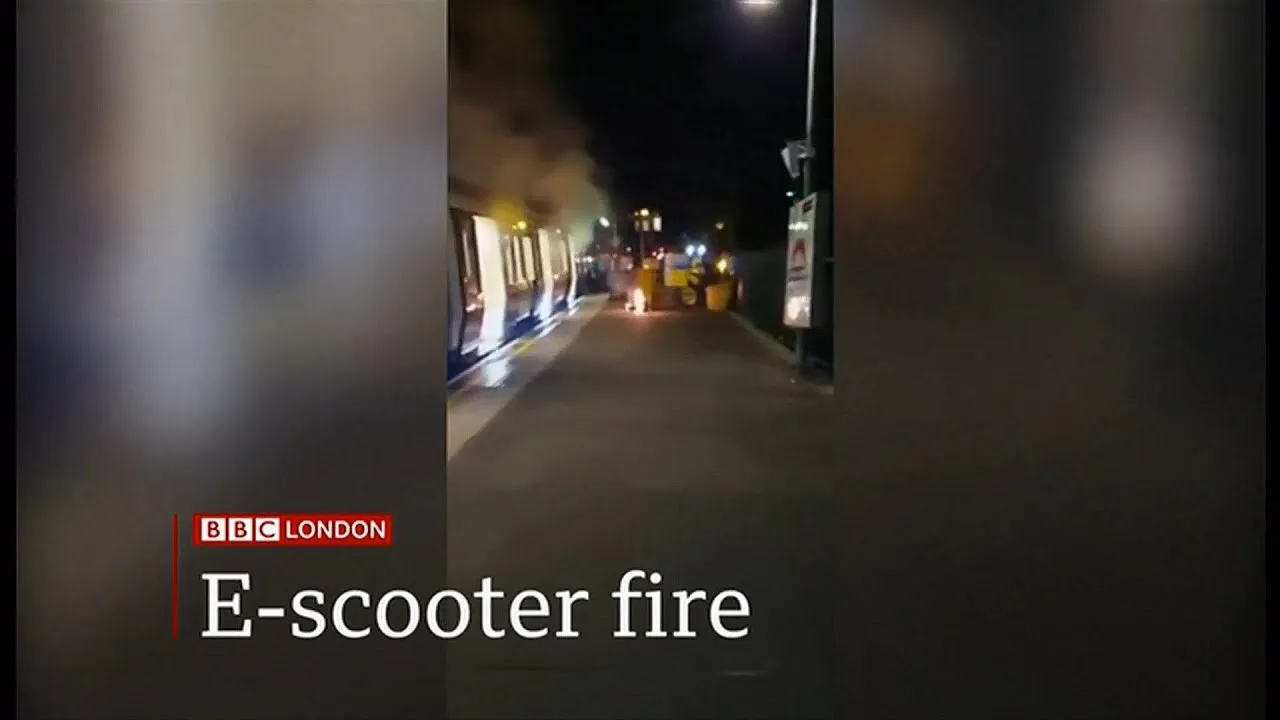
In recent years, several dangerous lithium-ion battery fires have been reported in rail vehicles. On 17 November 2022, for example, an electric scooter caught fire inside an FGC (Ferrocarrils de la Generalitat de Catalunya) train in Sant Boi de Llobregat. Passengers were evacuated, six fire engines were needed to bring the situation under control, and three people were injured (source, in Polish).
A similar incident happened on 3 November 2022 on the London Underground, where another scooter caught fire. The London Fire Brigade reported that it was called out 104 times in 2021 to fires involving lithium-ion batteries, four times more than the year before. This shows how serious the threat is. Lithium-ion fires are not limited to scooters and e-bikes: they also involve everyday items that passengers carry in their luggage, such as laptops, tablets, mobile phones and e-cigarettes.
Watch the videoYouTube
Are railway workers prepared for such scenarios?
Their duties are defined in the Regulation of the Minister of Infrastructure of 29 November 2022 on exams for train driver licenses and certificates. Under these rules, train drivers must be prepared to act in case of a fire: assess whether to stop the train, help evacuate passengers, call for assistance, give emergency services the information they need and cooperate with them during the incident.
Challenges in training train managers and drivers
Despite clearly defined requirements, railway staff training is often not practical enough. In theory, train drivers and train managers should know all the procedures, but a real emergency requires more than theoretical knowledge. In a fire, every action must be quick and precise, from the right announcements and directing the evacuation to coordinating with firefighters. It is even harder when passengers have limited mobility or when the fire involves hazardous materials such as lithium-ion batteries.
VR as a response to modern threats
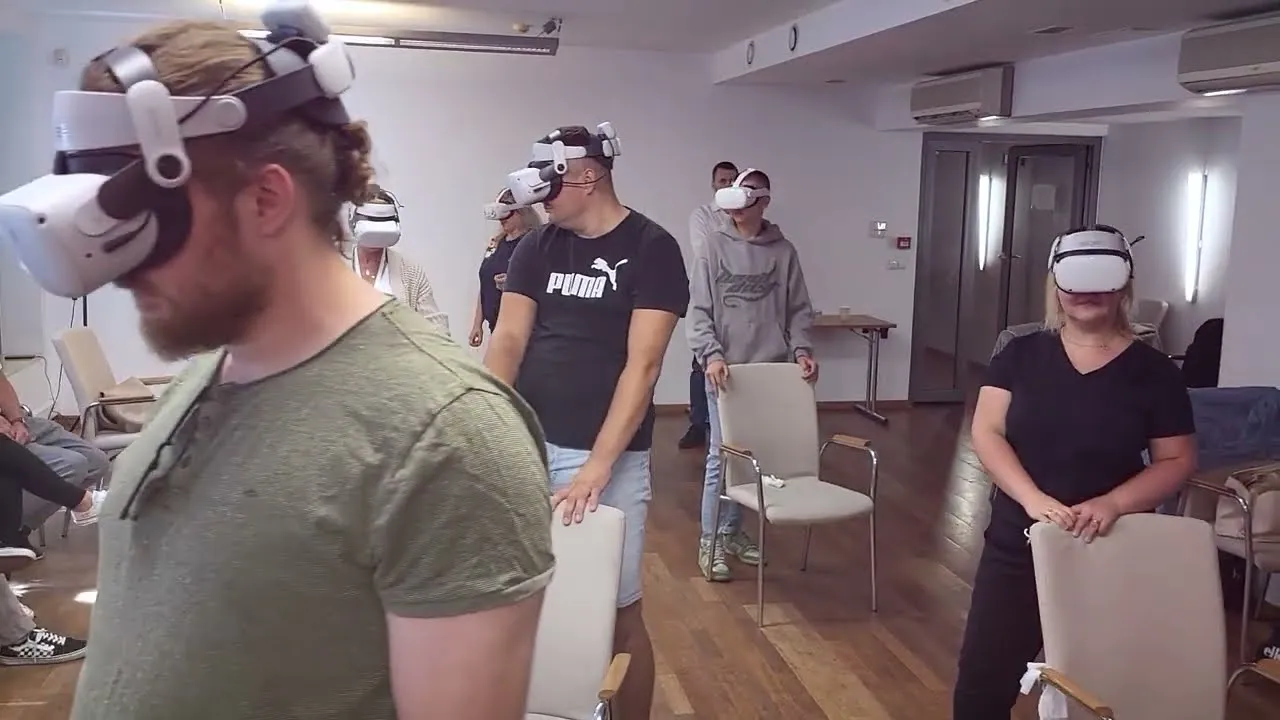
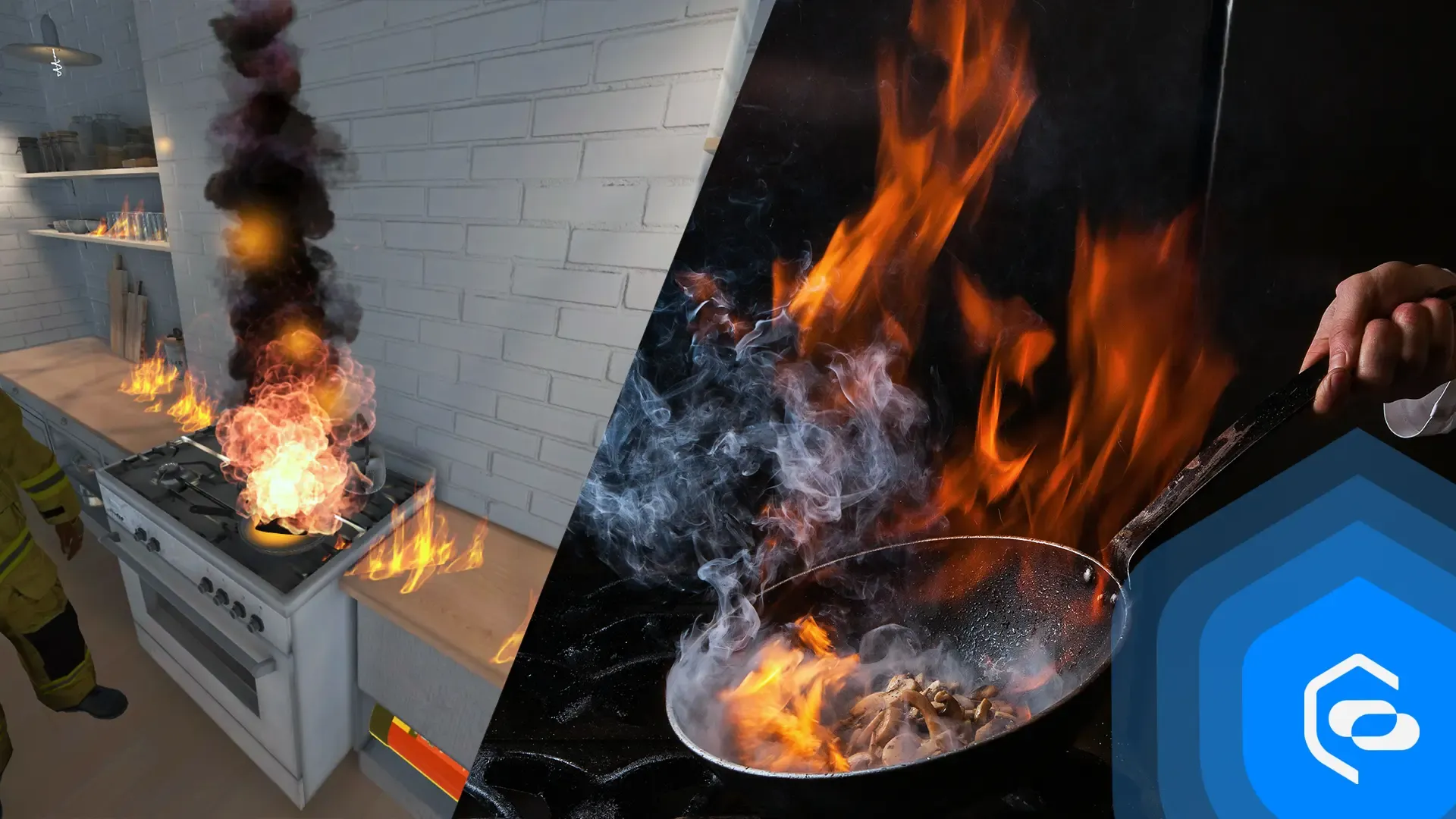
To prepare its employees better, Koleje Mazowieckie introduced VR training. During these sessions, train managers practice emergency scenarios realistically, including a lithium-ion battery fire. The simulation shows how such a battery typically ignites with a jet fire, and covers switching off the ventilation, evacuating passengers to a safe place and coordinating with the emergency services.
VR training lets people experience an emergency in a safe environment. Railway workers learn not only how to manage an evacuation but also how to communicate with passengers and emergency services, which is crucial in a real emergency. In this way, VR training raises awareness of the threats and gives workers the tools to act effectively in a crisis. See the Train Fire VR Training application.
Hear from the train managers
Watch a short video in which Koleje Mazowieckie employees talk about their experience of virtual reality training.
VR training for train managers at Koleje MazowieckieYouTube
Fire threats on trains are becoming more complex, and traditional training is often not enough. Virtual reality training, such as the training used by Koleje Mazowieckie, lets railway workers prepare realistically and thoroughly for emergencies that can happen while carrying passengers. This approach improves passenger safety and helps train crews stay ready for whatever happens on the route.
Legal basis for periodic training in fire extinguisher use and firefighting
The list of rules published by the President of the Office of Rail Transport (UTK) and the regulations it refers to, in particular UIC Code 564-2, section 5.1.2.
With your consent we use cookies and similar tools from Google and Meta to measure traffic and improve our ads, and we load the Pipedrive chat. You decide: the site works fully without them. Privacy policy
 Artur Kamiński