What Connects the Lascaux Cave to Your Safety Training? Discover the Power of Storytelling
Natalia Kiełczykowska3 min read
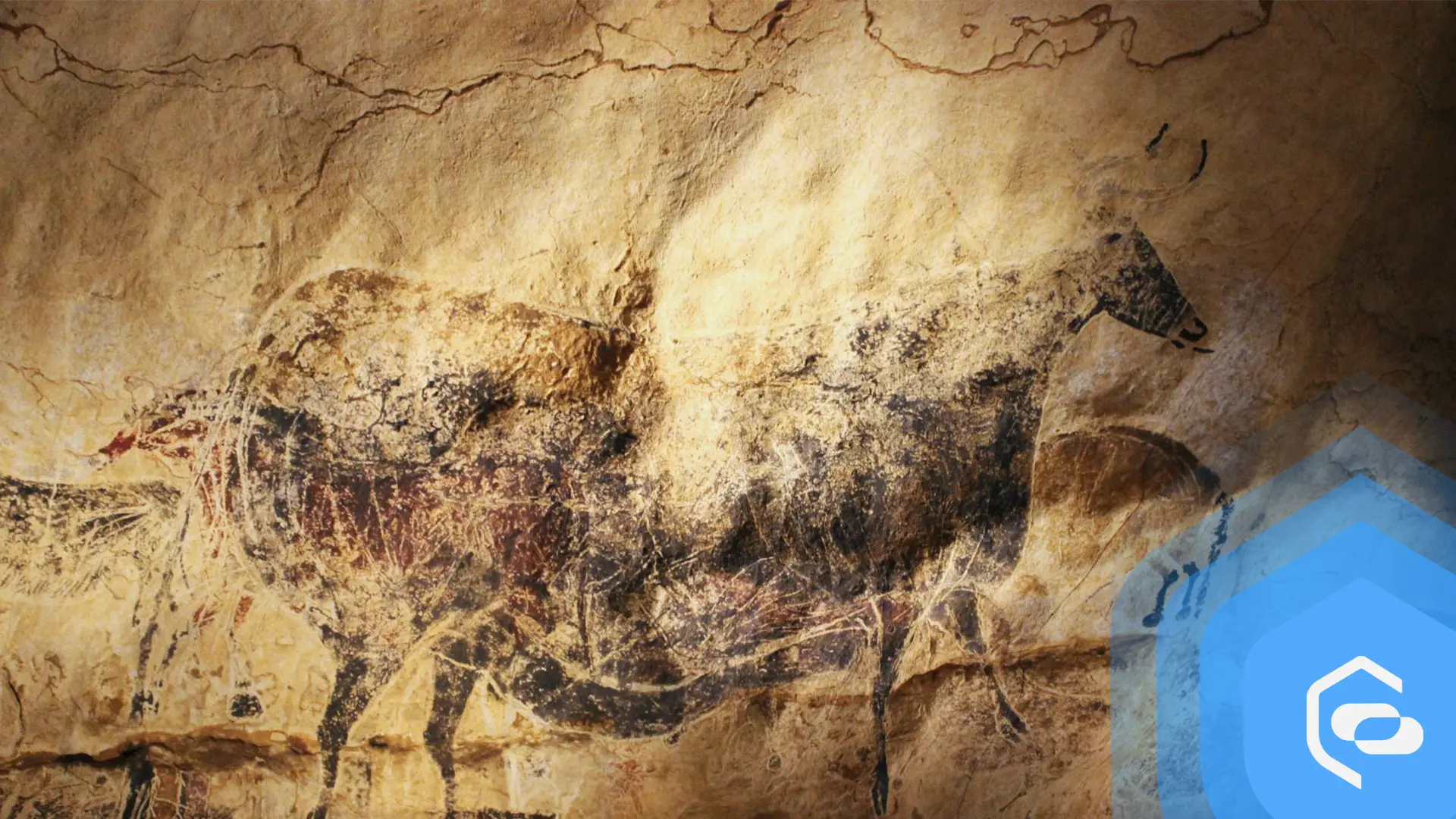
The Lascaux Cave near the village of Montignac in south-western France is a UNESCO World Heritage Site. More than 600 paintings cover its walls and ceiling, showing animals, people and geometric signs.
Some anthropologists and art historians see the paintings as a record of successful hunts or as a ritual to bring luck in future hunting. Whatever the real reason for creating them, these paintings are an early example of communication and storytelling, dating back to around 15,000 BC. Since then, narrative has taken many forms, from paintings to speech and written texts.
Every day we talk to others and share stories and experiences. Whatever the medium, the goal of storytelling stays the same: to draw the audience into the story and evoke emotions. This is what VR has in common with the Lascaux Cave.
Virtual reality, in its current technological form, is simply the latest stage in the evolution of storytelling. How does this relate to health and safety training?
Virtual reality as a storytelling tool in training
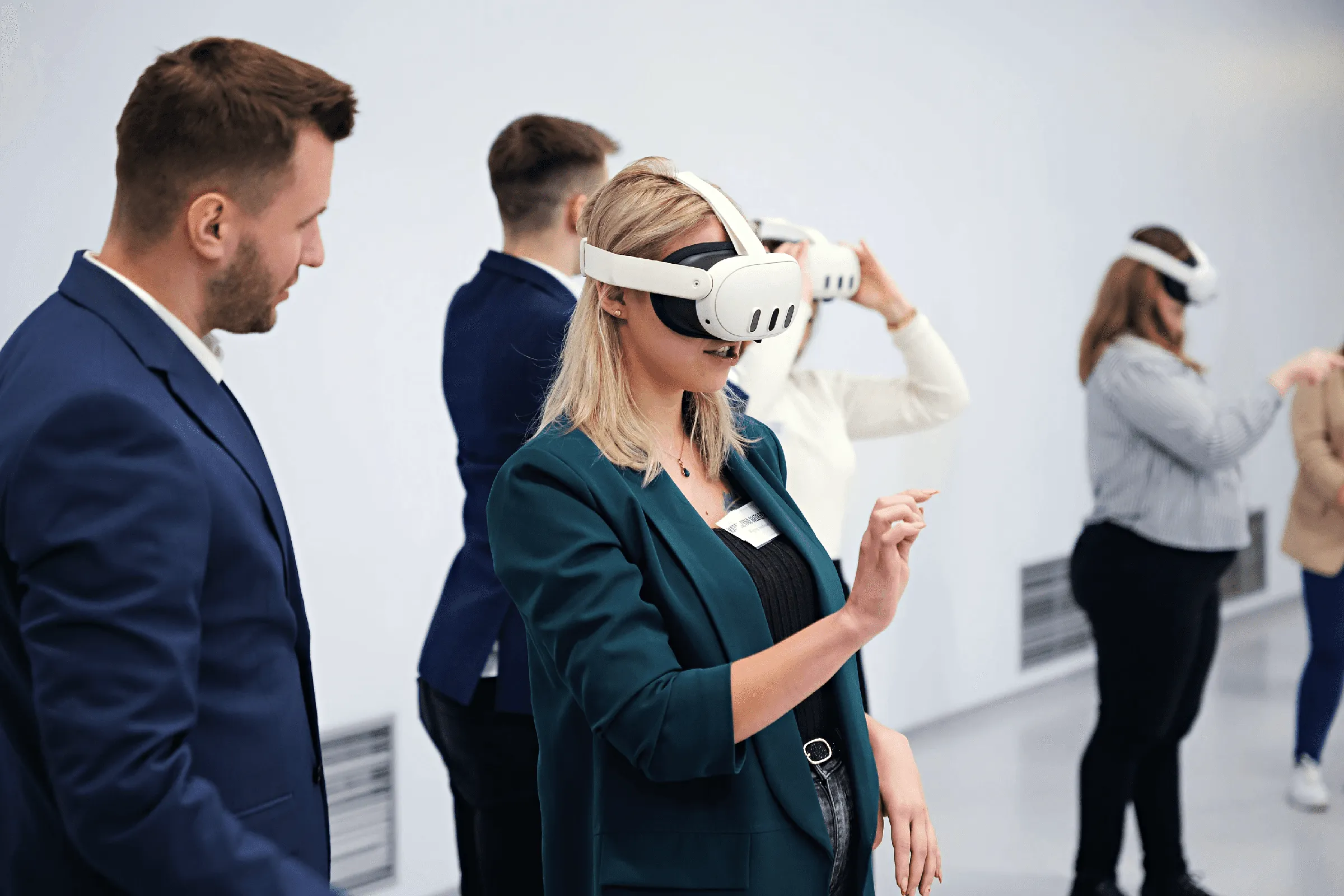
In training, virtual reality is a storytelling tool used to create realistic scenarios that engage participants and evoke specific emotions, such as fear during an accident simulation or empathy for the victim. One example is the Train Fire application, which shows the duties of a train crew in the event of a fire. Railway companies use it to train future train managers. The specialists who chose this form of training decided it was the best way to draw people into the story of a train fire and evoke specific emotions. All of this aims to increase participants’ involvement and make the training more effective.
As a concept, virtual reality has existed for as long as stories have been told, which means its importance is not going away. On the contrary, it opens new opportunities in occupational health and safety training: deeper immersion in the training material and more effective learning, which directly affect employees’ safety and health.
Virtual reality and other technologies: how society reacts to innovation
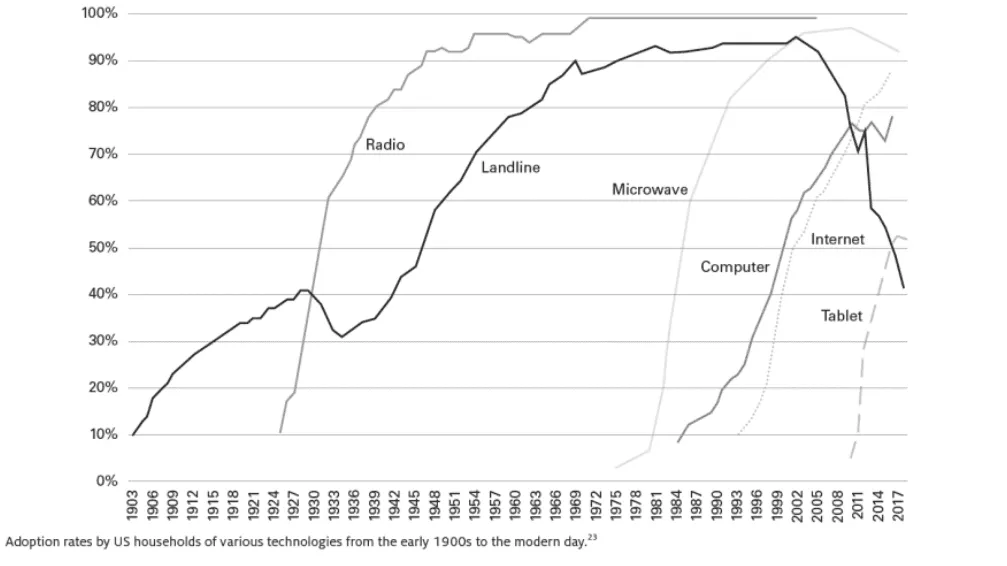
Looking at how other technologies spread gives us a useful frame of reference for the development of VR. Over the past century, technologies such as landline phones, personal computers, the internet and tablets each took time to reach wide adoption. For example, landline phones reached 17% of US households after 29 years, tablets after 23 years, personal computers after 19 years and the internet after 8 years.
Since its commercial debut in 1993, VR adoption has gone up and down. In 2020, estimates put VR adoption at between 6% and 16%, which shows slow but steady progress, comparable to other innovations. We can therefore assume that this is only the beginning of the era of virtual reality, and that it will develop like the other everyday devices we can no longer imagine life without.
Finding the good in every technology
We cannot know the future of technology; we can only imagine how much virtual reality will change. It is worth turning the benefits of modern technology to every part of life. Mobile and landline phones are not only for talking to friends: they are also a way to call for help quickly. Laptops are not only for entertainment: they are a work tool for millions of people and a learning tool for children and teenagers.
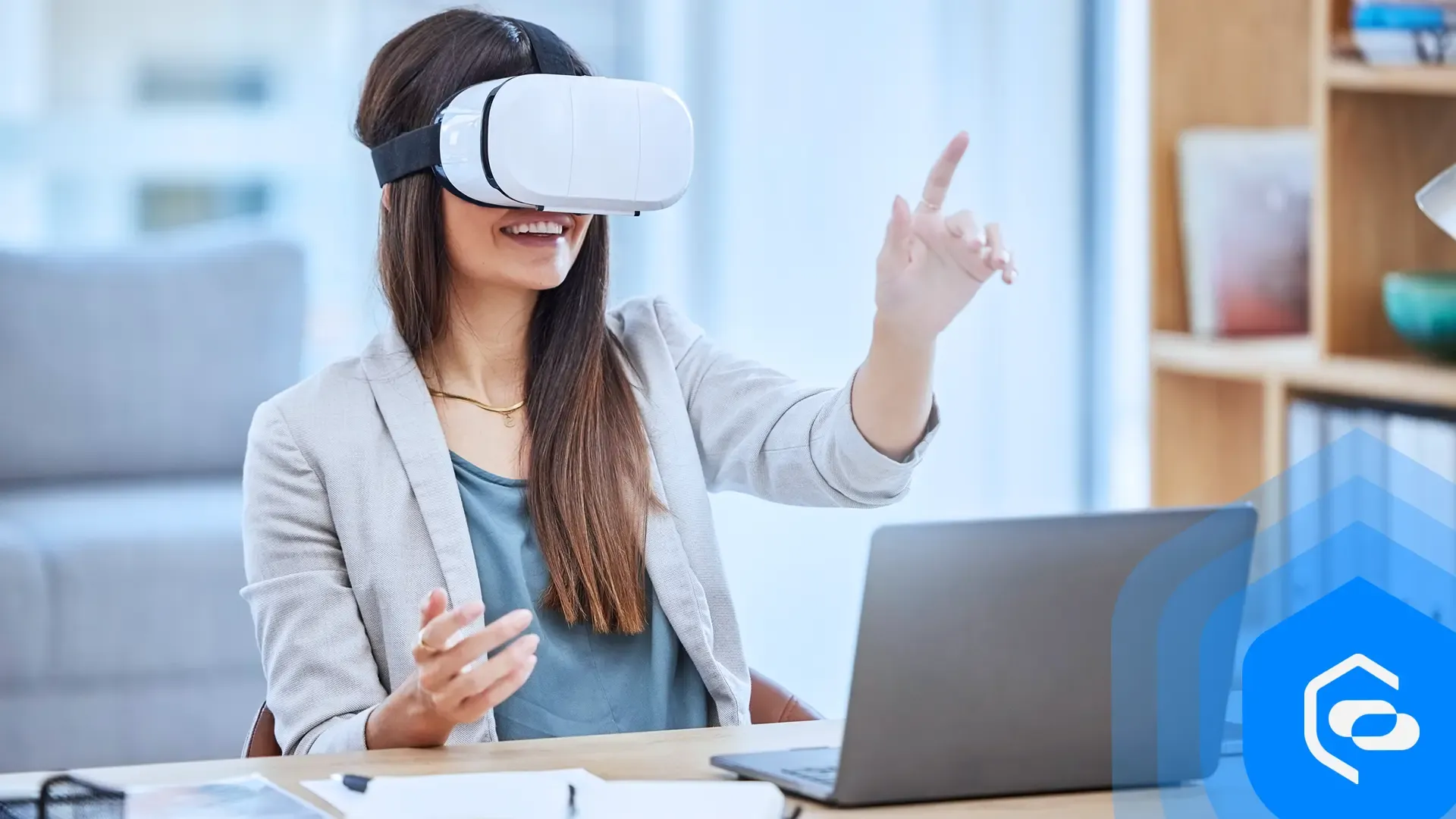
We also wanted to change the way people see virtual reality and give it more weight. VR is not only realistic games or a way to travel to another world: it is also a tool for training employees in first aid, health and safety and fire safety in ways that are impossible with traditional methods. Let’s find the good in every technology.
You can sign up for a free trial of our VR applications by filling in a short form:Free trial.
With your consent we use cookies and similar tools from Google and Meta to measure traffic and improve our ads, and we load the Pipedrive chat. You decide: the site works fully without them. Privacy policy
 Natalia Kiełczykowska